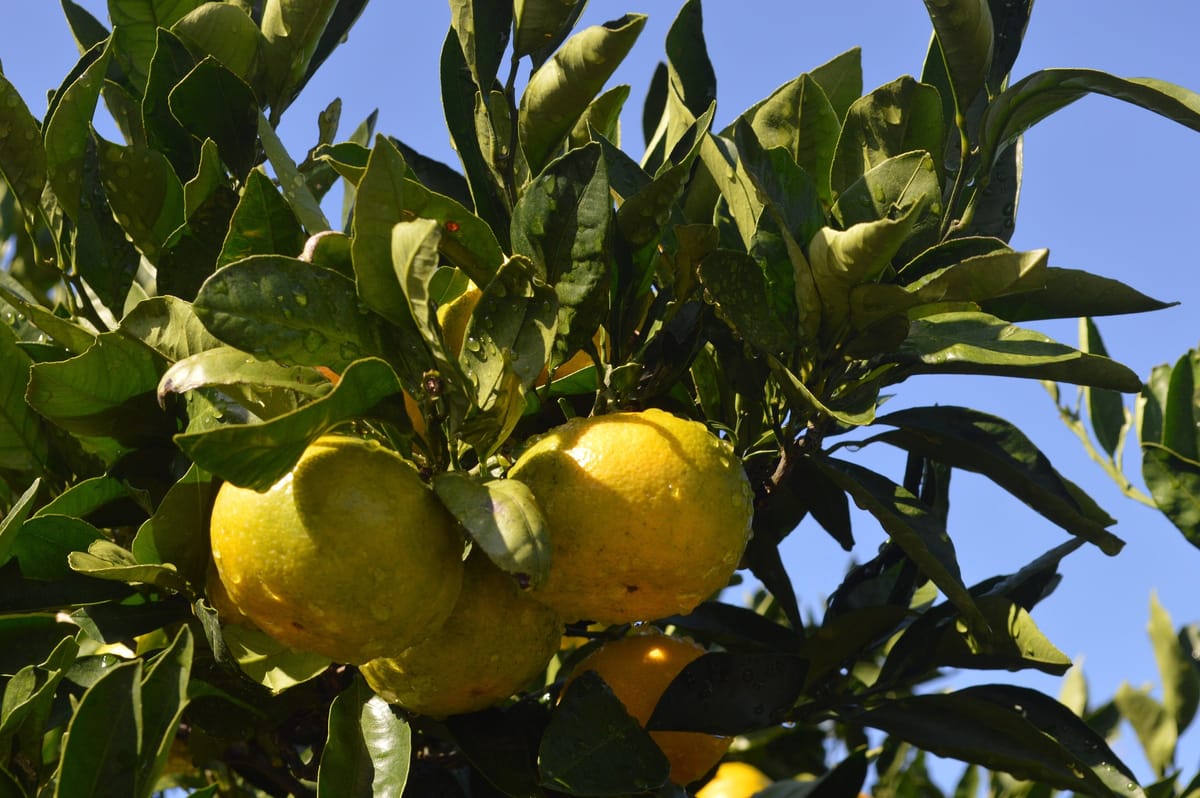
Mikan (Satsuma mandarin)
Early Oct – mid-Jan
A long-established Setouchi growing area; the select grade is sold as “Jinenjuku” tree-ripened mikan.
Setoda Citrus
From autumn mikan to late-spring Natsumi, a different citrus ripens on the islands in every season.
Sales periods and descriptions are guides taken from JA Hiroshima material and are not a promise of supply in any given year. This page introduces the growing area; J-Catalyst's trade enquiries are centred on lemons.23
Early Oct – mid-Jan
A long-established Setouchi growing area; the select grade is sold as “Jinenjuku” tree-ripened mikan.
Late Jan – late Mar
A citrus that originated in Hiroshima Prefecture.
Mid-Jan – early Mar
An orange grown in Setoda since the Meiji era.
Early Oct – early May
Certified by Hiroshima Prefecture as specially cultivated produce.
Mid-Feb – late Mar
Left to ripen fully on open-field trees before picking.
Late Jan – mid-Feb
Peels by hand and is easy to eat.
Mid-Mar – mid-Apr
Overwintered outdoors and ripened on the tree.
Mid-Mar – early Apr
Native to Hiroshima; a large citrus discovered in the Ansei era (1850s).
Mid-Jan – mid-Feb
Greenhouse-grown Setoka.
Mid-Dec – late Jan
A mandarin-type citrus popular as a gift.
Early – late Mar
Yellow fruit with a light, refreshing flavour.
Late Feb – early Mar
Reddish-orange fruit, bred from Kiyomi, Encore and Murcott.
Mid-Apr – early May
A mandarin for early summer, left on the tree for almost a year.
A select range from the Setoda packing house, with growing guidance aligned from the May blossom onwards and fruit chosen for overall eating quality, not sugar content alone.
Mid-Nov – late Dec
Mid-Dec
Early Feb – mid-Mar
Early – late Mar
Features of the range as listed in JA Hiroshima's material.
SETODA LEMON
Cooking, drinks, pastry or processing: tell us what you have in mind and when, and we will connect you with the growers' cooperative.
Hiroyoshi Numazaki
J-Catalyst / Higashi Nippon Broadcasting (khb)
Weekdays 10:00–17:00, Japan Standard Time