Fine strips of lemon zest with fennel shoots

In the Kitchen

Peel, aroma, juice.

Three ways into using the whole lemon.

Photo: cyclonebill / CC BY-SA 2.0

The ideas on this page are suggestions from our editors. They do not describe dishes actually served at the restaurants listed on this site.

Finely cut lemon zest.

Use the peel

Bring the aroma of the peel into your cooking.

Much of a lemon's fragrance sits in the coloured outer skin. JA Hiroshima describes Setoda Eco Lemon® as certified under Hiroshima's special cultivation scheme, with no fungicide or wax treatment: useful to know when you plan to grate, pare, preserve or simmer the peel.1

Editors' suggestion

  • A grating of zest to finish grilled fish, carpaccio or pasta
  • Candied peel for cakes, biscuits and chocolate
  • Whole lemons preserved in salt, for braises and dressed dishes
  • Thin whole slices for honey-preserved lemon or marmalade
  • A twist of peel expressed over a cocktail
  • Rinse under running water and dry before use.
  • Grate only the coloured surface; the white pith underneath is bitter.
  • Zest is most fragrant the moment it is grated, so do it just before serving.
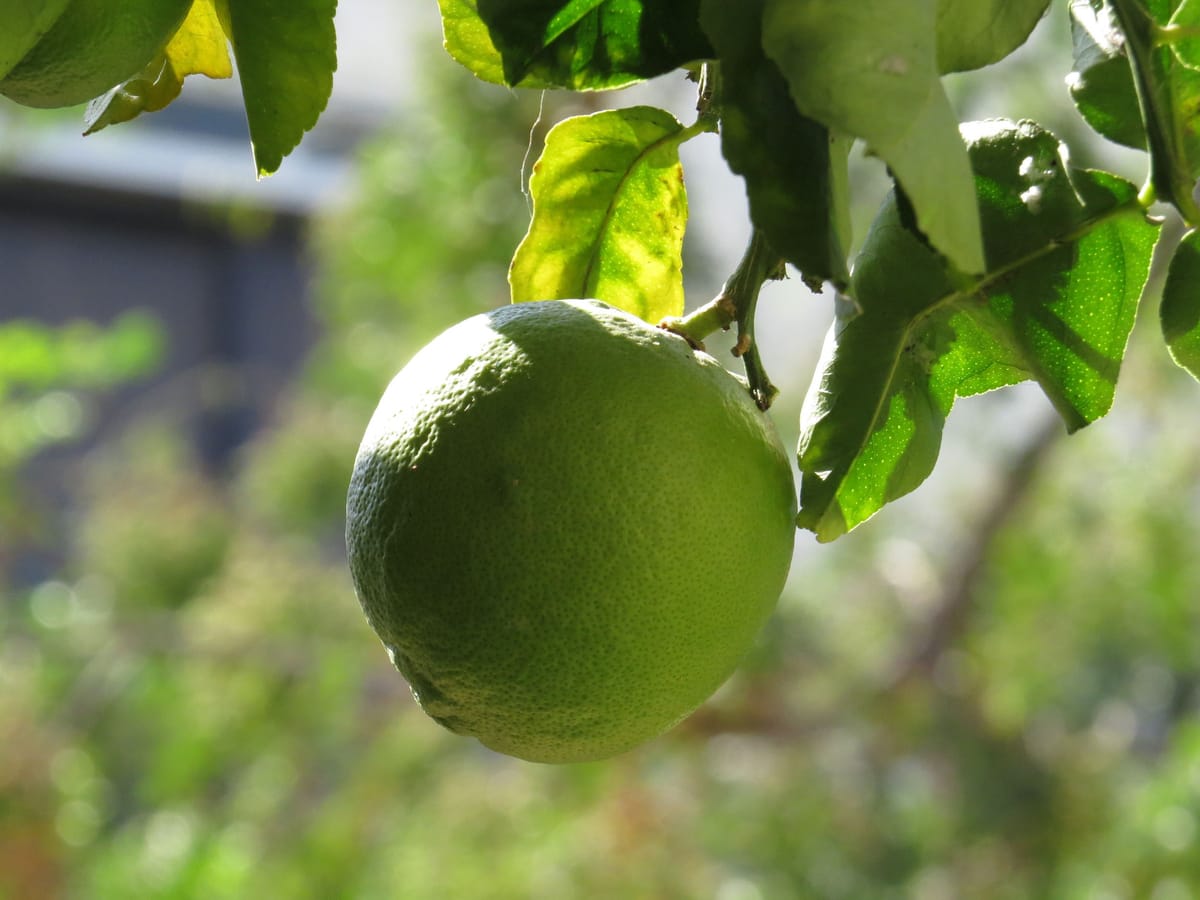
A lemon still green on the branch, before it colours.

Use the aroma

A green fragrance for autumn.

From October to December, green lemons are picked early; JA Hiroshima singles them out for their aroma. The acidity is clean and the fragrance comes forward. Use them off the heat or at the table, when a dish needs one more line of definition.10

Editors' suggestion

  • A squeeze over raw oysters, white-fish sashimi or tempura eaten with salt
  • A slice of green lemon in a gin and tonic, highball or sour
  • A wedge beside grilled meat or fried dishes
  • Infuse oil or syrup with the peel to carry the aroma alone
  • Heat drives off the aroma, so add at the end of cooking or as a finish.
  • Green and yellow lemons smell different; let the season guide your choice.

Use the juice

From winter to spring, plenty of juice.

Yellow lemons, from January to May, have ripened on the tree and filled with juice. According to JA Hiroshima, the acidity mellows and a little sweetness develops as they ripen: the season for preparations that call for volume.910

Editors' suggestion

  • Lemon butter sauce, vinaigrette, ponzu
  • Lemon tart, lemon curd, lemon cake
  • Lemonade, lemon squash, lemon sours
  • Marinades for seafood and chicken; a finish for hotpots
  • Bring to room temperature and roll under your palm before juicing.
  • After juicing, the peel can still be used for zest or syrup.

By cuisine

Which lemon for which plate.

Editors' suggestion

Sushi & Japanese cuisine

Salt and a squeeze for white fish, squid and shellfish; a sliver of peel as the aromatic garnish in a clear soup.

Green for aroma; peel
Raw oysters on ice with lemon.

Editors' suggestion

Seafood

Raw oysters, carpaccio, grilled fish, fritto: lemon's most natural partners.

Green or yellow
Sautéed fish with a wedge of lemon.

Editors' suggestion

Yōshoku & Western classics

Beside a cutlet or anything fried, in the butter sauce for a meunière, in a salad dressing.

Yellow for juice
Small lemon tarts topped with meringue.

Editors' suggestion

Pastry & bakery

Tarts, lemon cakes, doughs studded with candied peel. Being able to use the whole fruit widens what you can make.

Yellow for juice; peel
A cocktail finished with a twist of lemon peel.

Editors' suggestion

Bar & cocktails

Twists, slices, fresh juice. The scent above the glass shapes the first sip.

Green for aroma; peel
Slices of lemon in sparkling water.

Editors' suggestion

Drinks & café

Lemonade, lemon squash, honey-lemon. A slice in the glass is part of the pleasure.

Yellow for juice

A slice that brings a little delight to the table.

Heart Lemon® and Star Lemon® are grown inside moulds. They are not separate varieties; the shape comes from how they are grown. Slice one and a heart or a star appears: for cocktails, desserts and special occasions.

Please ask us about specifications and availability.21

Frequently asked questions

Can I cook with the peel?

JA Hiroshima describes Setoda Eco Lemon® as certified under Hiroshima Prefecture's special cultivation scheme, with no fungicide or wax treatment. If you plan to use the peel, tell us when you enquire and we will advise which category we can supply.1

Is “specially cultivated” the same as organic or pesticide-free?

No. Specially cultivated produce is grown with the number of synthetic pesticide applications and the nitrogen from chemical fertiliser both reduced to half or less of usual local practice. It does not mean no pesticides are used, and it is separate from Japan's organic (JAS) certification.2

Are green and yellow lemons different varieties?

No. Green lemons are the same fruit picked early; yellow lemons have ripened on the tree. Green offers aroma and a clean acidity; yellow offers more juice and a mellower acidity.10

Are they available all year?

The growers combine open-field fruit (October to May) with greenhouse and stored lemons so that they can also ship in summer. Timing and volumes vary from year to year, and it does not mean freshly picked fruit all year round. Tell us when you need lemons and we will check.91213

Are the stored summer lemons frozen?

No. They are lemons picked in January and February, individually wrapped in freshness-preserving film and kept chilled.13

How should I wash them before use?

Rub gently under running water and dry before use.

How should I store them, and how long do they keep?

Keep them chilled and protected from drying out. Shelf life depends on the season and condition of the fruit, so we give guidance with each delivery.

Can I choose size and grade? What about price?

Grades, packing, pricing and minimum order vary with the season and your intended use. We will advise once we know how you plan to use the lemons and roughly how many you need.

Can you ship outside Japan?

We welcome enquiries from abroad. Whether and how we can export depends on the destination and the season, so please get in touch and we will check.

Read next

SETODA LEMON

Talk to us about lemons for your kitchen.

Cooking, drinks, pastry or processing: tell us what you have in mind and when, and we will connect you with the growers' cooperative.

Hiroyoshi Numazaki
J-Catalyst / Higashi Nippon Broadcasting (khb)

Email us Call us +81-80-8608-5446

Weekdays 10:00–17:00, Japan Standard Time