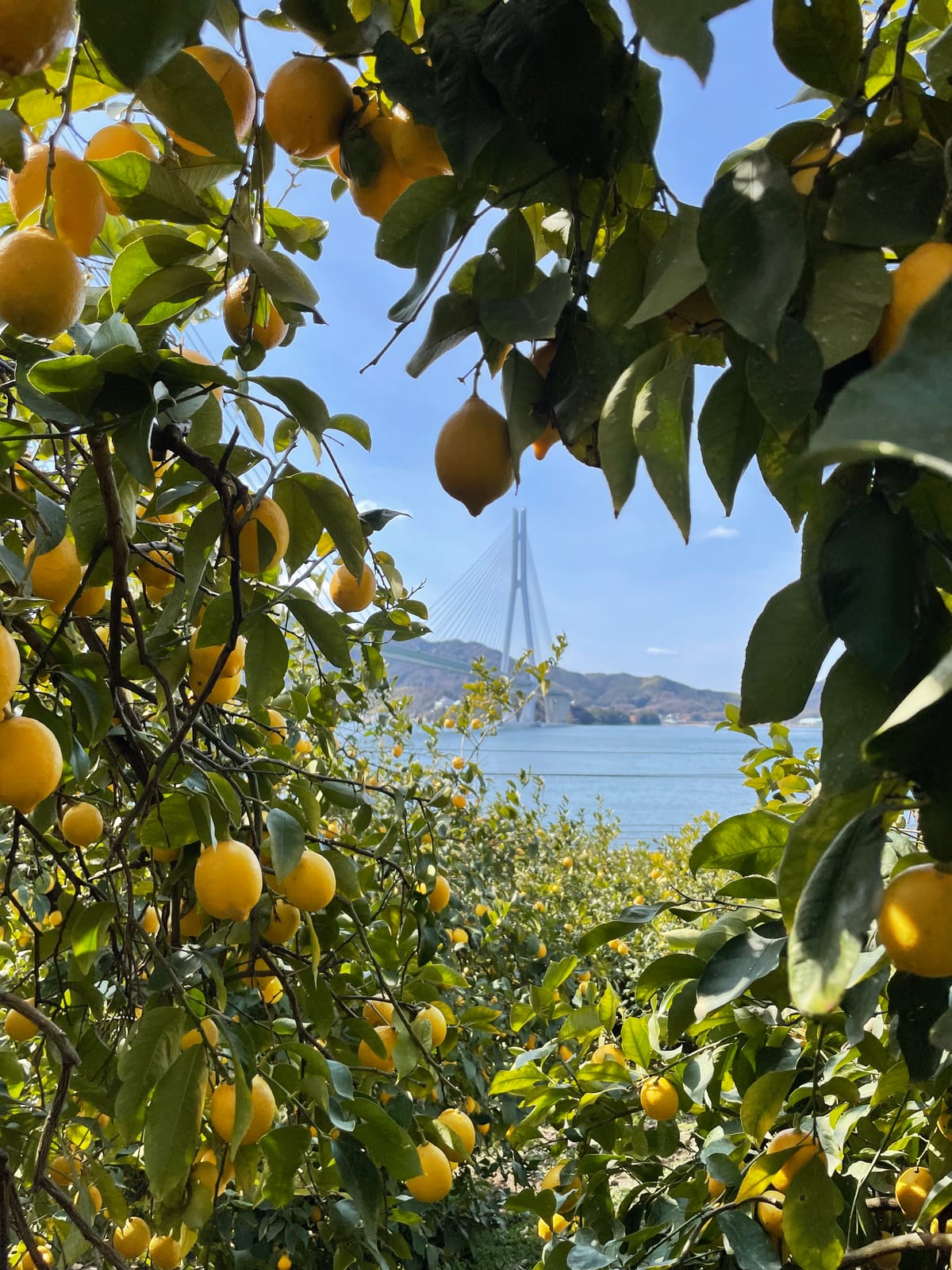
The more you know the world's lemons, the more Setoda draws you in.
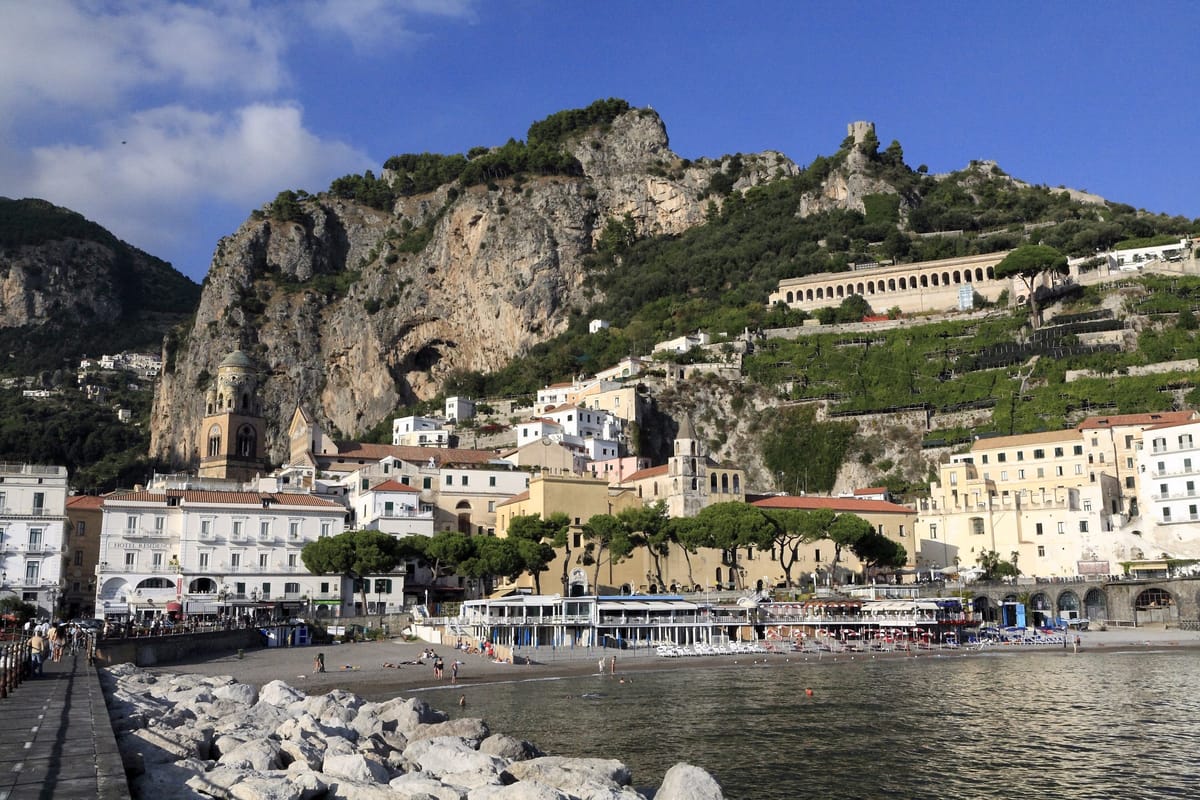
The terraces of Amalfi, a Sicilian winter, the dry light of California. Lemons differ from place to place: in aroma, in the thickness of the peel, in how people eat them. Now add one small island in Japan's Seto Inland Sea to that map. In Setoda, in the city of Onomichi, Hiroshima, growers have long raised lemons with the whole fruit in mind, peel included.
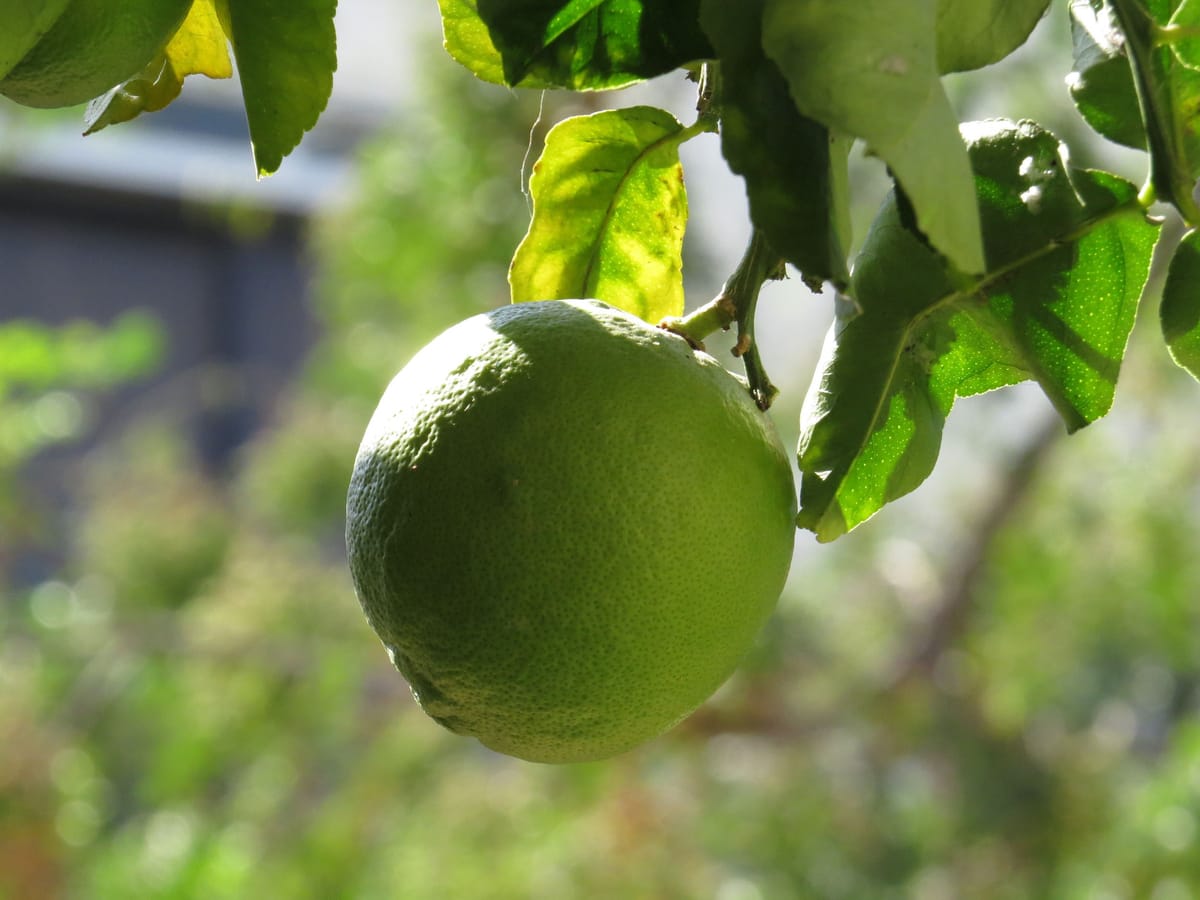
A lemon still green on the branch, before it colours.
In season now · October
October: the green lemon season begins.
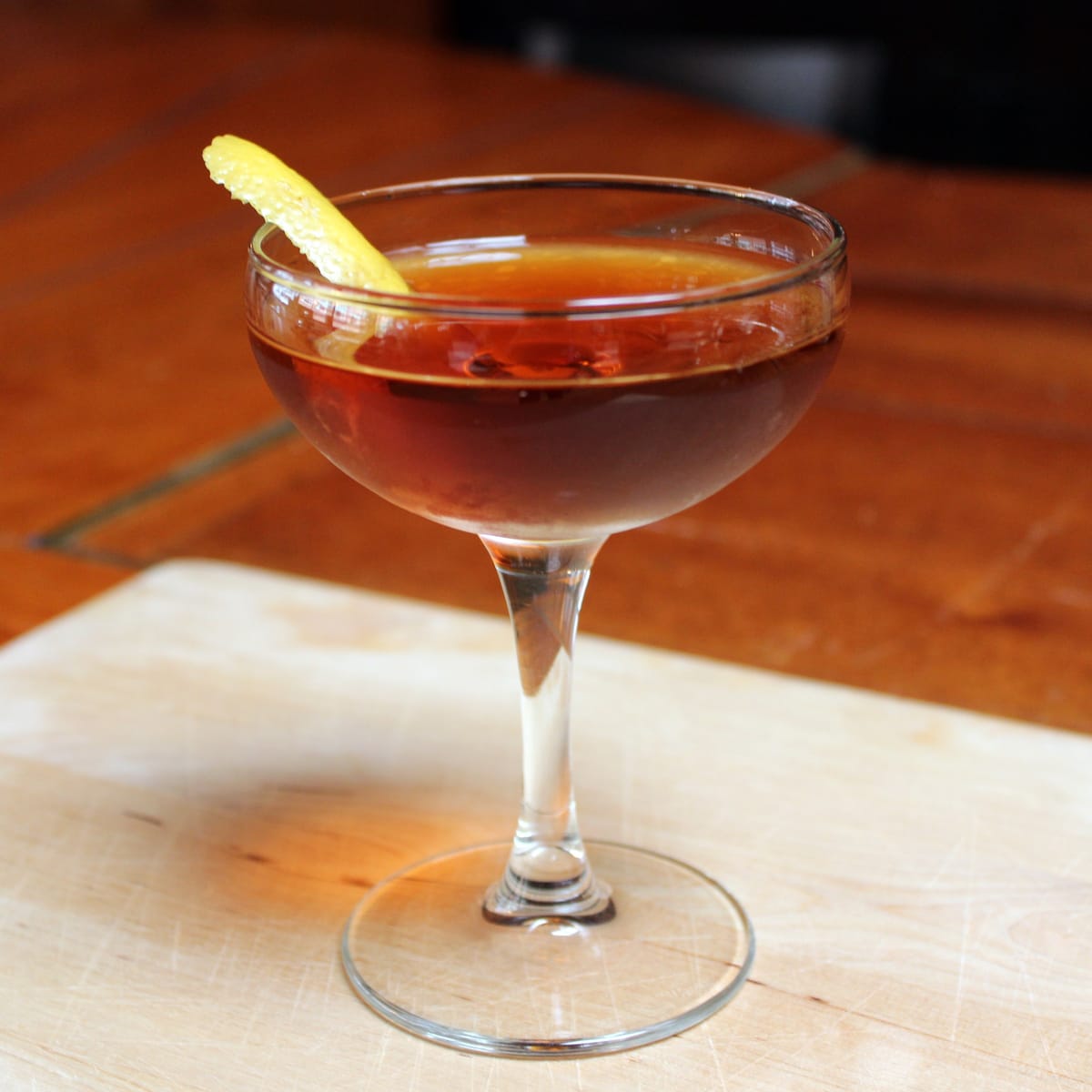
Open-field lemons flower in May, and picking starts in October. Harvested before they colour, these are green lemons. JA Hiroshima describes them as offering a fresh aroma and a clean acidity. Grate the zest over a finished dish, or squeeze a wedge into an aperitif: a bright, green scent for the start of autumn.910
Open-field green lemons
Oct–Dec
Character
Aroma, clean acidity
Next
Yellow lemons from January
Seasons are a guide based on JA Hiroshima material. Please ask us about current availability.
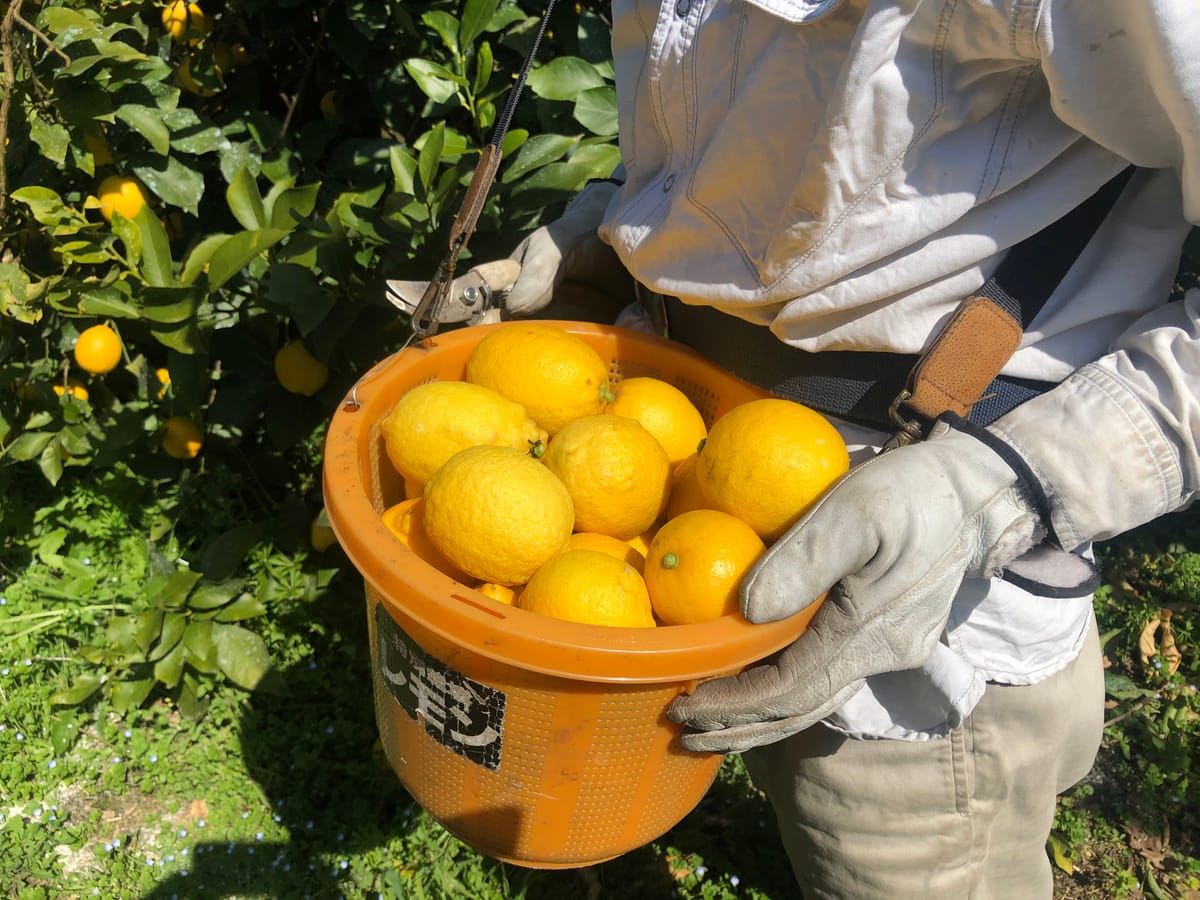
Not just the juice: zest, candied peel, sauces, a twist over a cocktail. A lemon you can choose for dishes that use the peel.
EvidenceJA Hiroshima describes Setoda Eco Lemon® as certified under Hiroshima Prefecture's special cultivation scheme, with no fungicide or wax treatment.1
For the kitchen: editors' suggestionFinish with a grating of zest. The aroma lives in the peel.
Synthetic pesticides and chemical fertiliser are kept to half or less of usual local practice under a prefectural certification, alongside ongoing GAP practices.
EvidenceCertified as specially cultivated produce since 2008; 120 households take part in fiscal 2026.235
For the kitchen: editors' suggestion“Specially cultivated” is not the same as organic or pesticide-free. We can help you describe it accurately to guests.
The cycle path climbing to the Tatara Bridge on Ikuchijima, beside citrus groves.
Connected to the orchards all year.
Open fields from autumn to spring; greenhouses and cold storage in summer. Three methods bridge the months when Japanese lemons are usually hard to find.
EvidenceStored lemons are picked in January and February, wrapped one by one in freshness-preserving film and kept chilled until summer.1213
For the kitchen: editors' suggestionFor year-round menus, we can plan the seasonal changeovers with you.
The growers' group has received the Emperor's Cup, Japan's top agricultural award. Restaurants in Ginza, Sendai and Fukuoka use Setoda lemons, and chefs travel to meet the growers.
EvidenceThe Emperor's Cup went to the Setoda Eco Lemon Group (horticulture category, 62nd Agriculture, Forestry and Fisheries Festival, fiscal 2023). Restaurant use confirmed by J-Catalyst on 5 October 2026.1924
For the kitchen: editors' suggestionAsk us about visiting the orchards or how to present the lemons to your guests.
The figures and descriptions on this site draw on JA Hiroshima's materials, national and prefectural statistics, and J-Catalyst's own reporting. The sources page shows which statement rests on which document.
J-Catalyst connects Japan's food and entertainment with the world. We bring JA Hiroshima's Setoda lemons to restaurants, bars, hotels and pastry shops together with the story of where they come from, and create occasions for chefs and growers to meet.