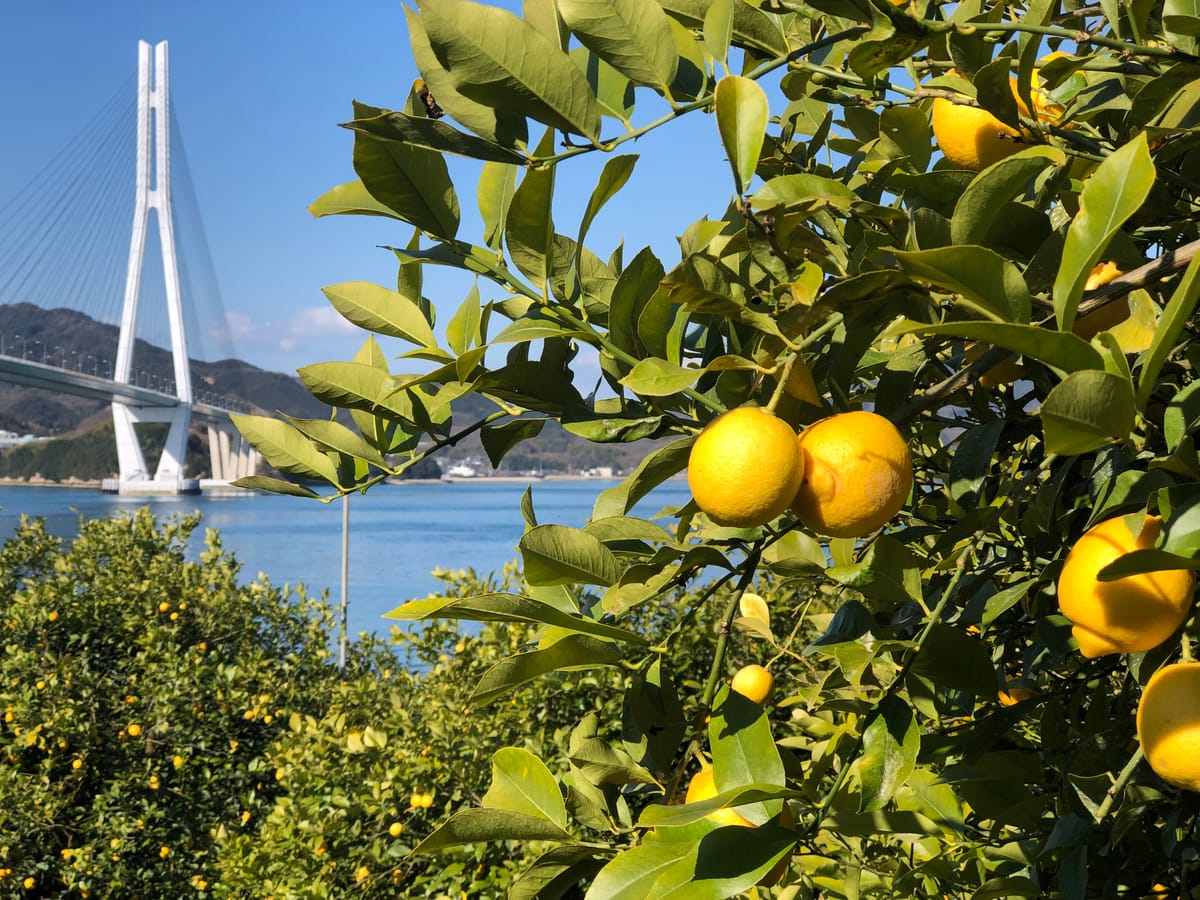
- Date
- Monday 5 October 2026
- Place
- Setoda, Onomichi, Hiroshima
- Group
- Members of Ginza's restaurant association
- Host
- Masami Oginuma, J-Catalyst
October, when the green lemon harvest begins. Masami Oginuma of J-Catalyst accompanied members of Ginza's restaurant association to Setoda.25
Why go all the way to the orchard
Every kitchen has lemons. That is exactly why knowing where they were grown, by whom and how changes what a single wedge on the plate can mean.
J-Catalyst has been working to bring Setoda lemons to restaurants in Ginza. This visit was a chance for the people who supply them and the people who cook with them to stand in the same orchard.
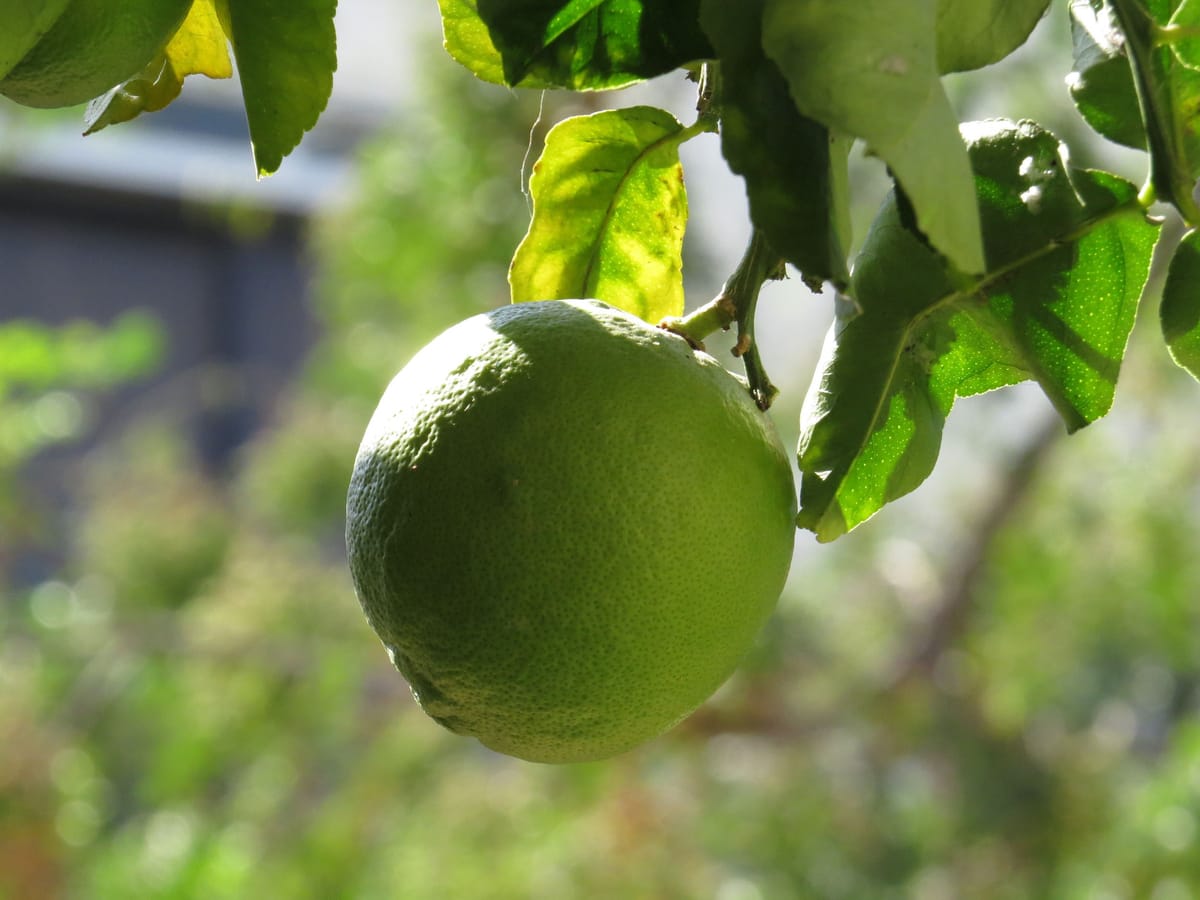
Understanding how lemons are grown and shipped
The party then visited JA Hiroshima, the cooperative through which the lemons are supplied, to learn how open-field, greenhouse and stored fruit are combined to ship through the year, about the special cultivation certified by Hiroshima Prefecture, and how the fruit is graded and dispatched. J-Catalyst received the cooperative's official materials that day; many of the figures and descriptions on this site are based on them.
12132See sources and evidenceWhat it means when chefs and growers connect
Which dish, and which season, for a lemon you can use peel and all? Each kitchen will answer differently. The more chefs know the orchards, the richer the ways lemons will be used. J-Catalyst will keep working in the space between the two.