13 — Move
Learn the dance behind the beauty
You cannot become a maiko for an afternoon, and this lesson does not pretend otherwise. What you can do is learn, from a teacher holding the shihan rank of the Fujima school, the general vocabulary of Japanese classical dance.
Don't just watch the beauty. Learn how Japanese dance creates it.
01What nihon buyo is
Nihon buyo is the classical dance of Japan as it developed alongside kabuki from the seventeenth century: narrative pieces danced to nagauta, tokiwazu or kiyomoto music, with a fan and often a towel as props. It is organised in schools (ryu), each with a head family, a licensing system and its own repertoire.
02How it relates to the maiko's dance
Four of Kyoto's five kagai train their maiko and geiko in nihon buyo schools: Wakayagi in Miyagawacho, Onoe in Pontocho, Hanayagi in Kamishichiken and Fujima in Gion Higashi. Gion Kobu is different: its dance is kyomai of the Inoue school, a Kyoto 'mai' tradition of about two centuries, shaped by Noh and puppet theatre, taught within Gion Kobu's own system, with a low, still posture that is deliberately called mai rather than odori.
So a Fujima lesson and the training of a Gion Higashi maiko share a school name and a common root in Japanese classical dance, and no more: different teachers, different lineages, different repertoire. It is not kyomai, and it is not a route into any kagai.
03The Fujima school
Fujima is one of the great lineages of nihon buyo, founded in the Edo period and long associated with the kabuki stage. It is also the school of Gion Higashi, whose Gion Odori every November is the only main odori of the five kagai held in autumn.
04Your teacher
Fujima Kanremi (Masami Oginuma) holds the shihan (teaching) rank of the Fujima school of nihon buyo, awarded within the school's own licensing system, and a teaching rank in calligraphy. She is a former Asahi Shimbun journalist and a trained sushi chef who has spent years connecting Japanese culture and food with audiences abroad. She edits this atlas and will visit the kagai in September 2026 to report first-hand.
05What you will learn in one session
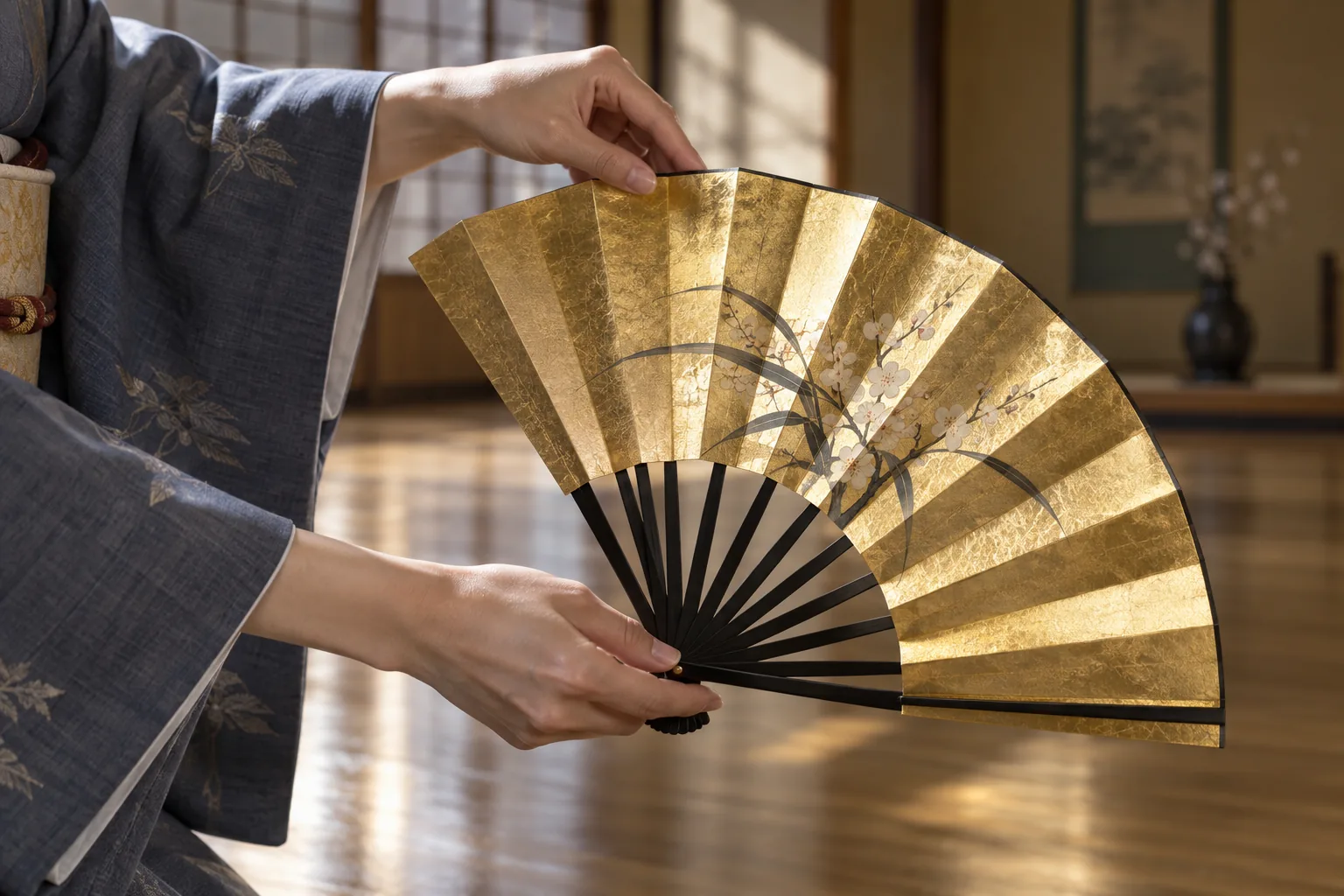
- How to hold, open and close the fan (mai-ogi), and why it is the dancer's second voice.
- Standing: the lowered centre of gravity, the knees, the line of the spine.
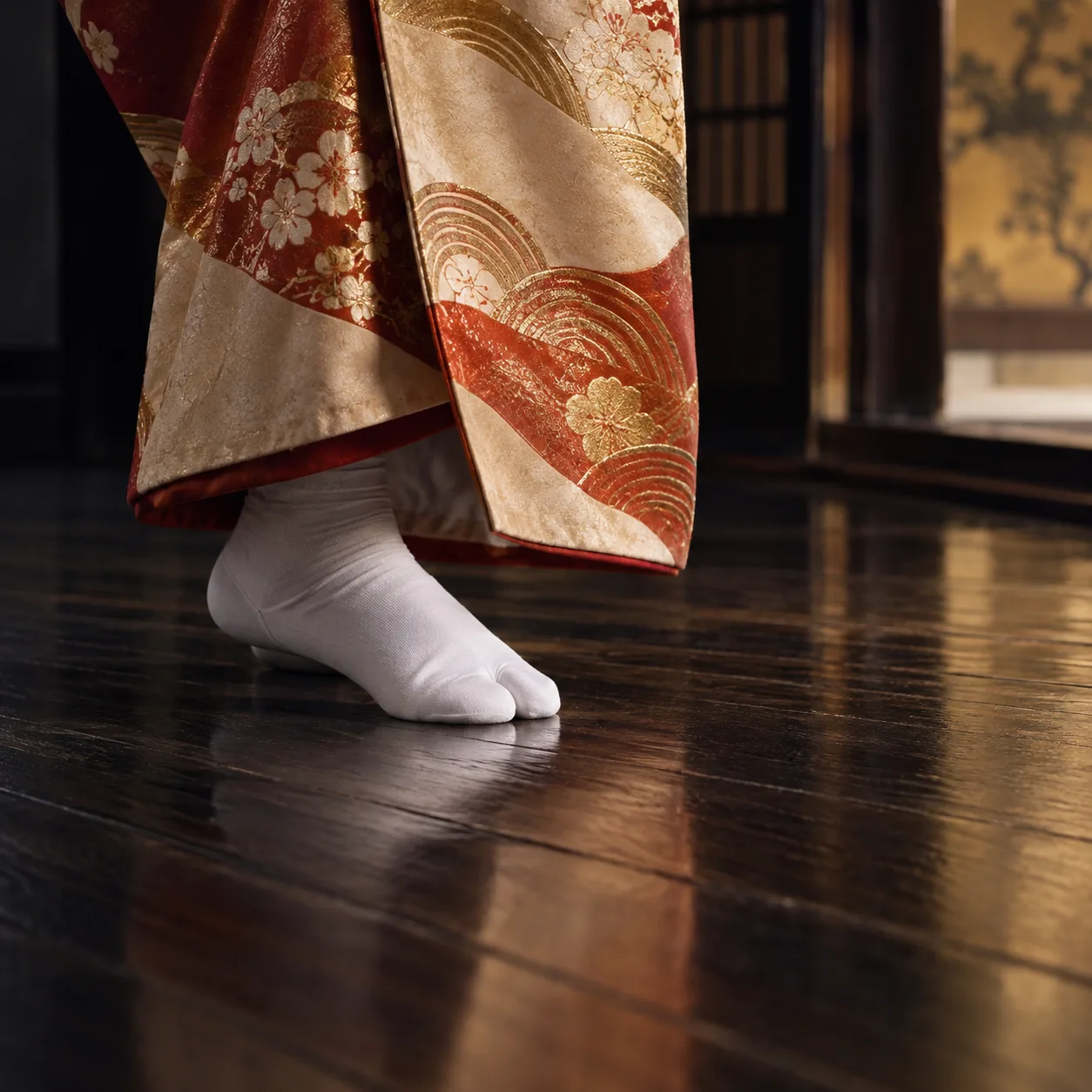
- Walking: suriashi, the sliding step that never leaves the floor.
- The gaze: where the eyes go before the body moves.
- Ma: the pause that gives a movement its meaning.
- A short phrase of a classical piece, danced to recorded nagauta.
06Who it is for
Complete beginners are welcome; no Japanese is needed and street clothes are fine for a first lesson. We also design private sessions for couples, families, small groups, companies and hosts who want a cultural programme for their guests.
07Enquiries
Dates, places and fees are arranged individually. There is no booking button on this site yet; write to J-Catalyst and tell us who you are, when you will be in Japan and what you hope to learn.