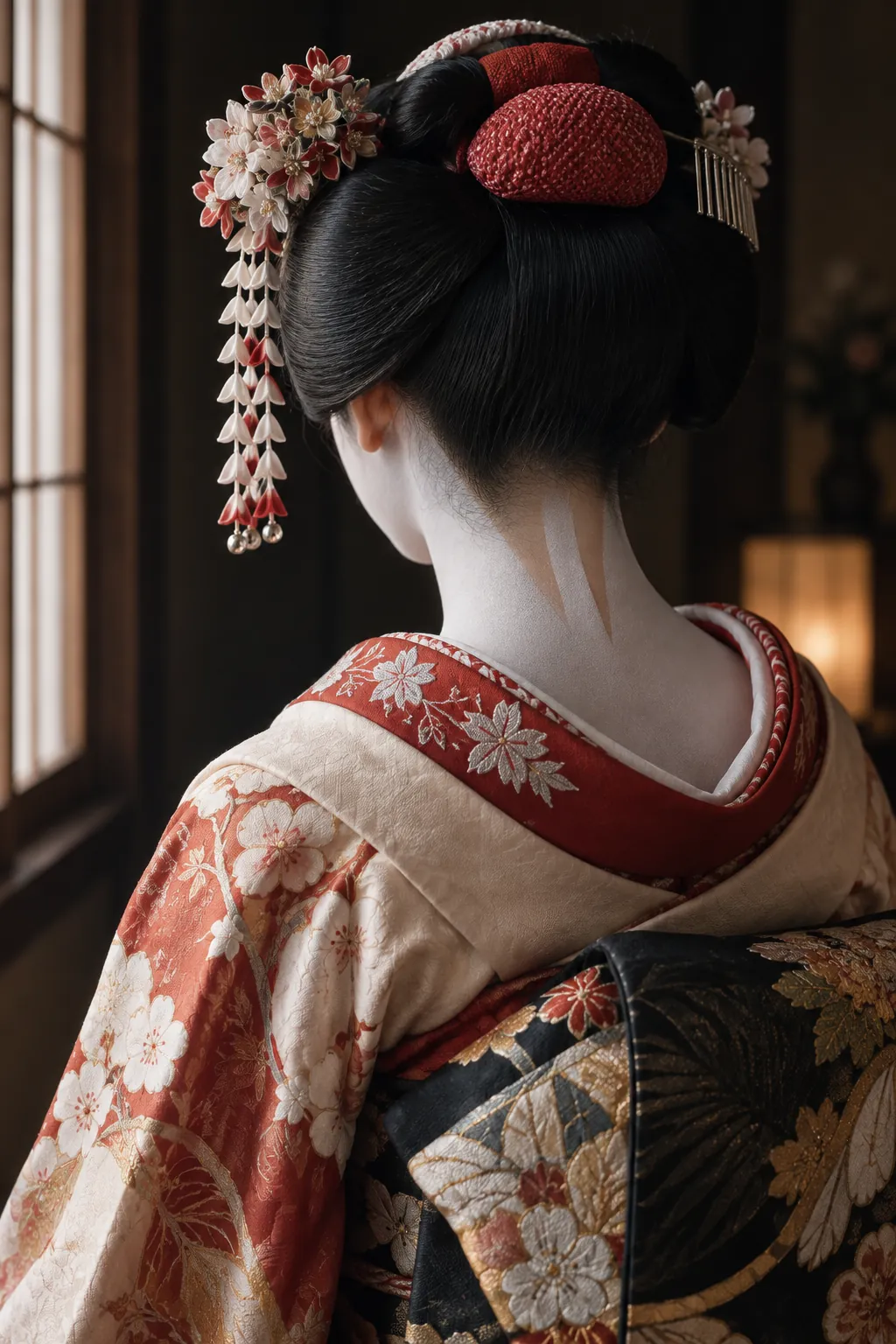
Maiko 舞妓
Learning through practice.
A maiko is an apprentice geiko in a Kyoto kagai, developing dance, music, etiquette and the knowledge of the seasons through years of structured training, usually from about fifteen to about twenty.
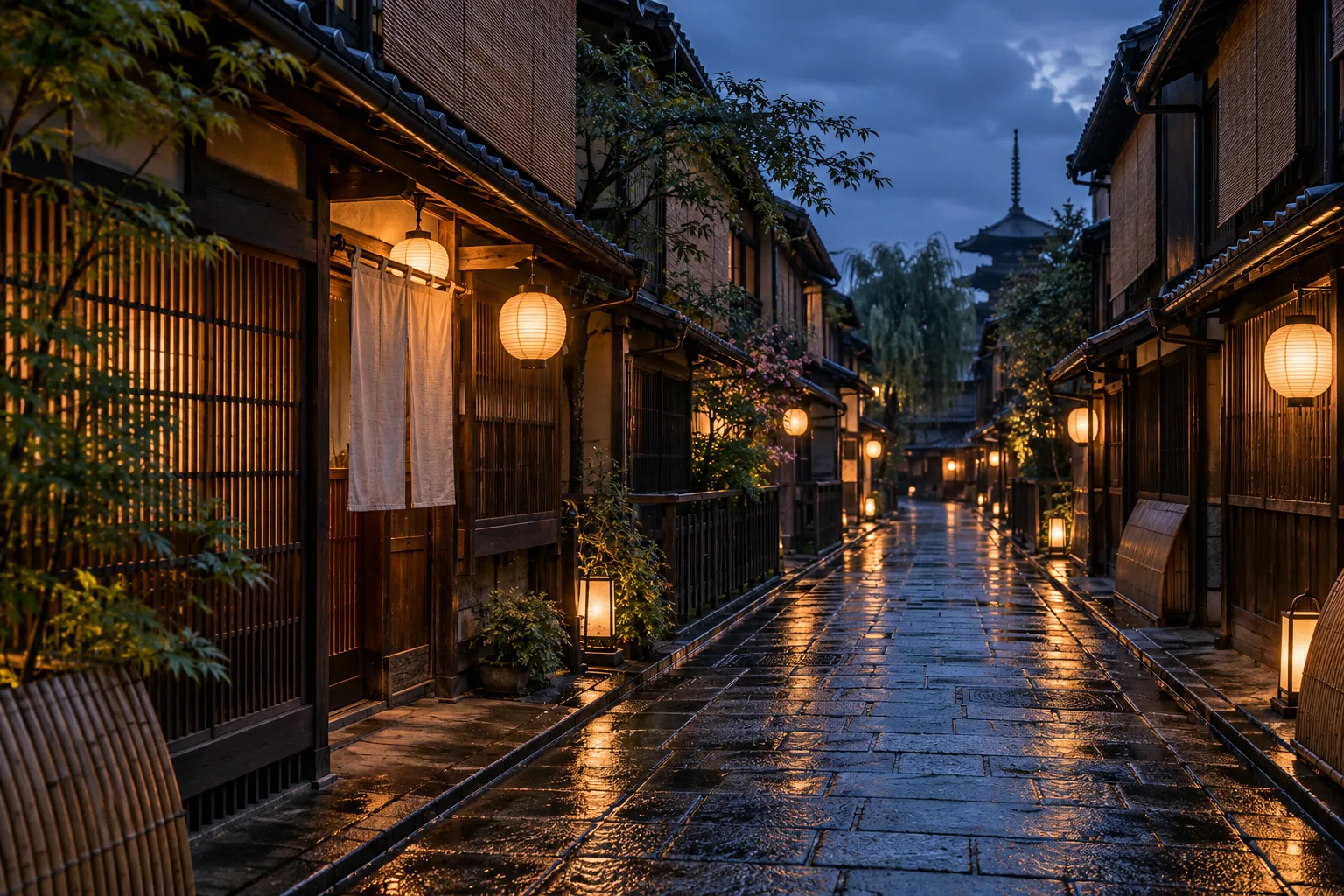
Kyoto's Living Art
Discover the dance, discipline, craftsmanship and living communities behind Kyoto's maiko culture.
A cultural atlas
A maiko is not a costume and not a performance staged for visitors. She is an apprentice inside a living artistic community that has trained dancers, singers and musicians in Kyoto for generations.
This atlas introduces the training, the objects, the five districts and the manners that give that world its depth, with sources and dates shown so you can tell what is verified from what is merely repeated.
Learn first. Look respectfully. Then choose how you want to meet the culture.
A first distinction
Two stages of one profession. The apprentice is the more colourful; the professional is the more accomplished.
Maiko 舞妓
A maiko is an apprentice geiko in a Kyoto kagai, developing dance, music, etiquette and the knowledge of the seasons through years of structured training, usually from about fifteen to about twenty.
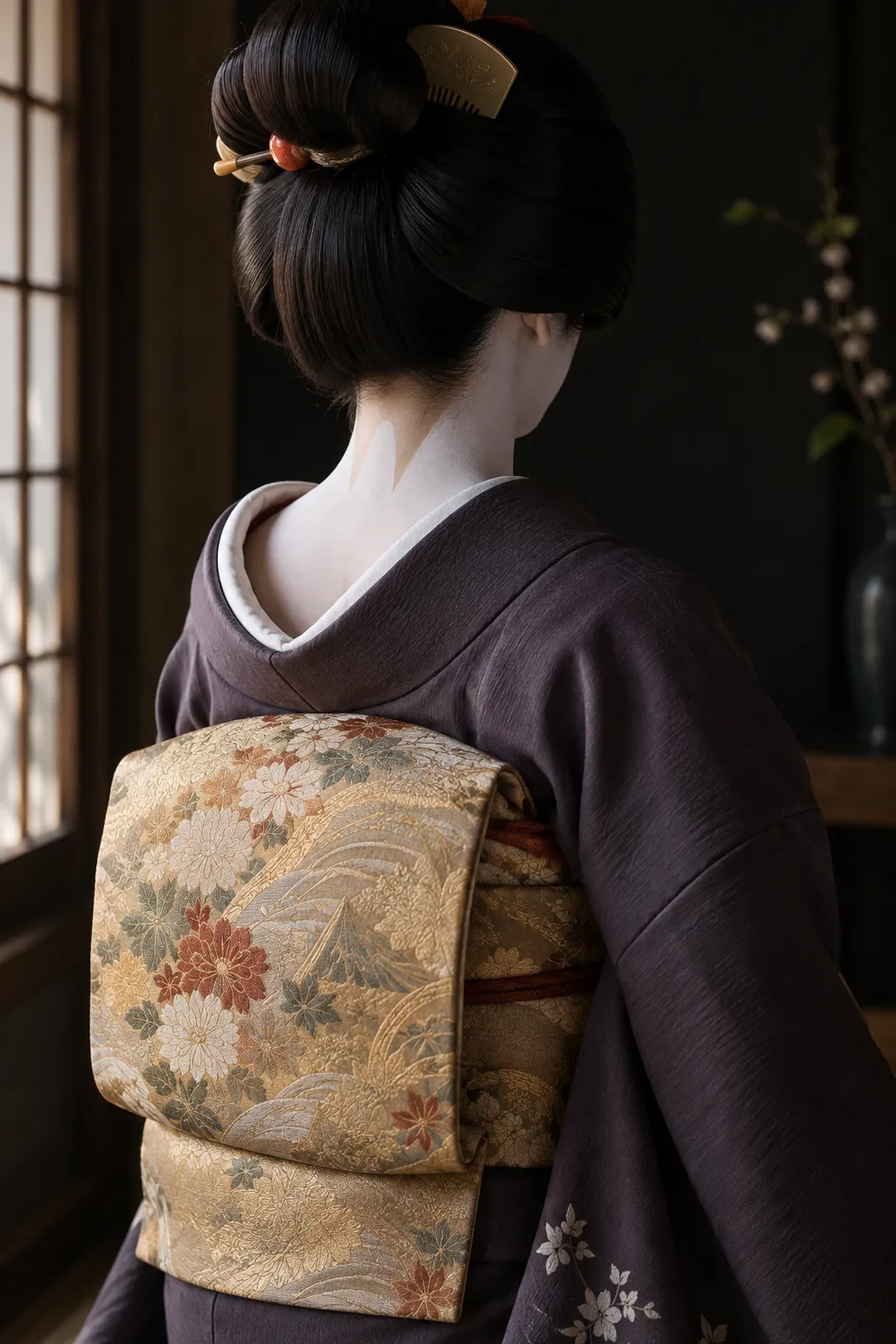
Geiko 芸妓
A geiko is the professional: after erikae she supports herself by her art as a dancer or a musician, wears a wig, a white collar and a quieter kimono, and may continue for as long as she wishes.
The path
About a year of living in. About a month of watching. Three days of formal rounds. Then five or six years of lessons every morning and ozashiki every night.
The live-in preparation stage. A girl moves into an okiya (lodging house) and, while helping with housework and attending to senior geiko and maiko, starts lessons in dance (described by the official kagai site as 'the life of a maiko'), Kyoto dialect, and kagai etiquette. She rises before her seniors and works until late. Around the tenth month, if the dance teacher and the okiya mother judge her ready, she advances.
Typical duration: About one year (official: ookinizaidan.com and Kyoto City both say 'roughly one year'). Some secondary sources give a range of 6 months to 2 years depending on the person. Entry age: after junior high school, typically 15; Kamishichiken's official recruitment page says 'about 15 to 18' (official for that district). Ages and lengths vary by kagai and by person.
Learning by watching. After a sister-bond ceremony (shimai-sakazuki) with a senior geiko or maiko who becomes her oneesan, the trainee dresses almost like a maiko, wears the wareshinobu hairstyle and a half-length darari obi (han-darari), and accompanies her oneesan to ozashiki to observe how a banquet is run.
Typical duration: About one month (official: ookinizaidan.com). The half-length obi is reported by ookinizaidan.com ('apprentices wear a half-length version') and secondary sources.
The debut as a maiko. For three days she wears a formal black crested kimono (kuro-montsuki) and goes round the ochaya and patrons with her oneesan to be introduced. From this point she is a maiko.
Typical duration: Three days of formal rounds (official: ookinizaidan.com).
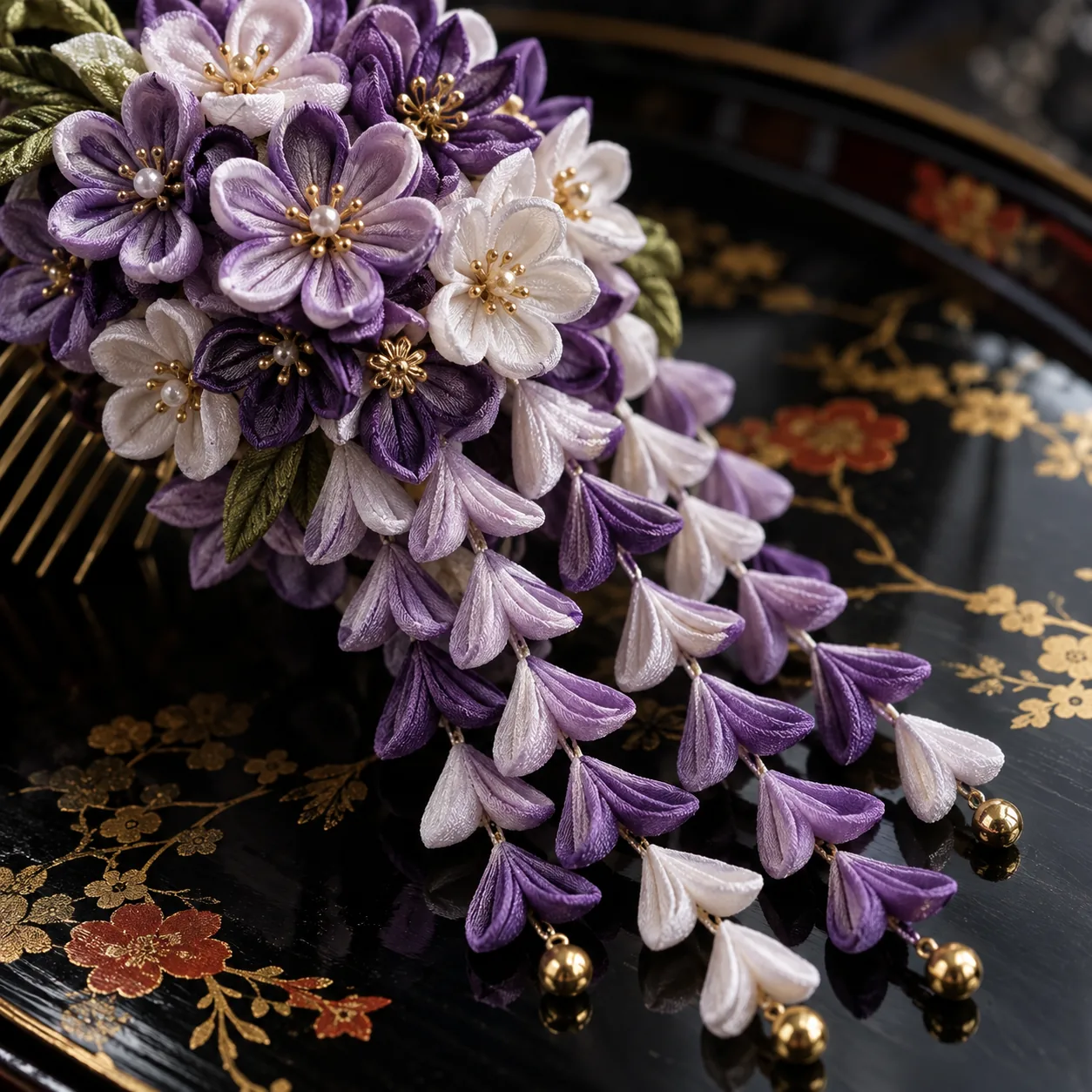
The apprentice years proper. She lives in the okiya, takes daily lessons at the kagai school or kaburenjo (dance, shamisen, songs, drums, flute, tea ceremony, etc.), and attends ozashiki almost every evening. Her appearance changes with seniority: hairstyle moves from wareshinobu to ofuku after roughly two years, lipstick moves from lower lip only to both lips after about a year, kanzashi become larger and quieter.
Typical duration: Around five to six years, ending around age 20 (official: ookinizaidan.com erikae page). Some maiko leave the kagai before erikae; Kyoto City notes many aspire only to the maiko stage. Numbers: the Foundation reported 155 geiko and 56 maiko across the five kagai as of April 2024 (reported via plus.kyoto.travel / Japanese Wikipedia citing the Foundation; commonly_reported).
Before becoming a geiko, the maiko wears the sakko hairstyle, a traditional married-woman's style, with blackened teeth (ohaguro), for about two weeks. Then at erikae ('turning the collar') the red collar of the maiko's under-kimono is replaced with a white one. She receives a brand-new wig, wears black crested formal dress, and makes courtesy rounds of the ochaya and patrons as a geiko.
Typical duration: Sakko about two weeks; erikae around age 20 after 5-6 years as maiko (official: ookinizaidan.com). At this point she decides whether to become a geiko or leave the kagai.
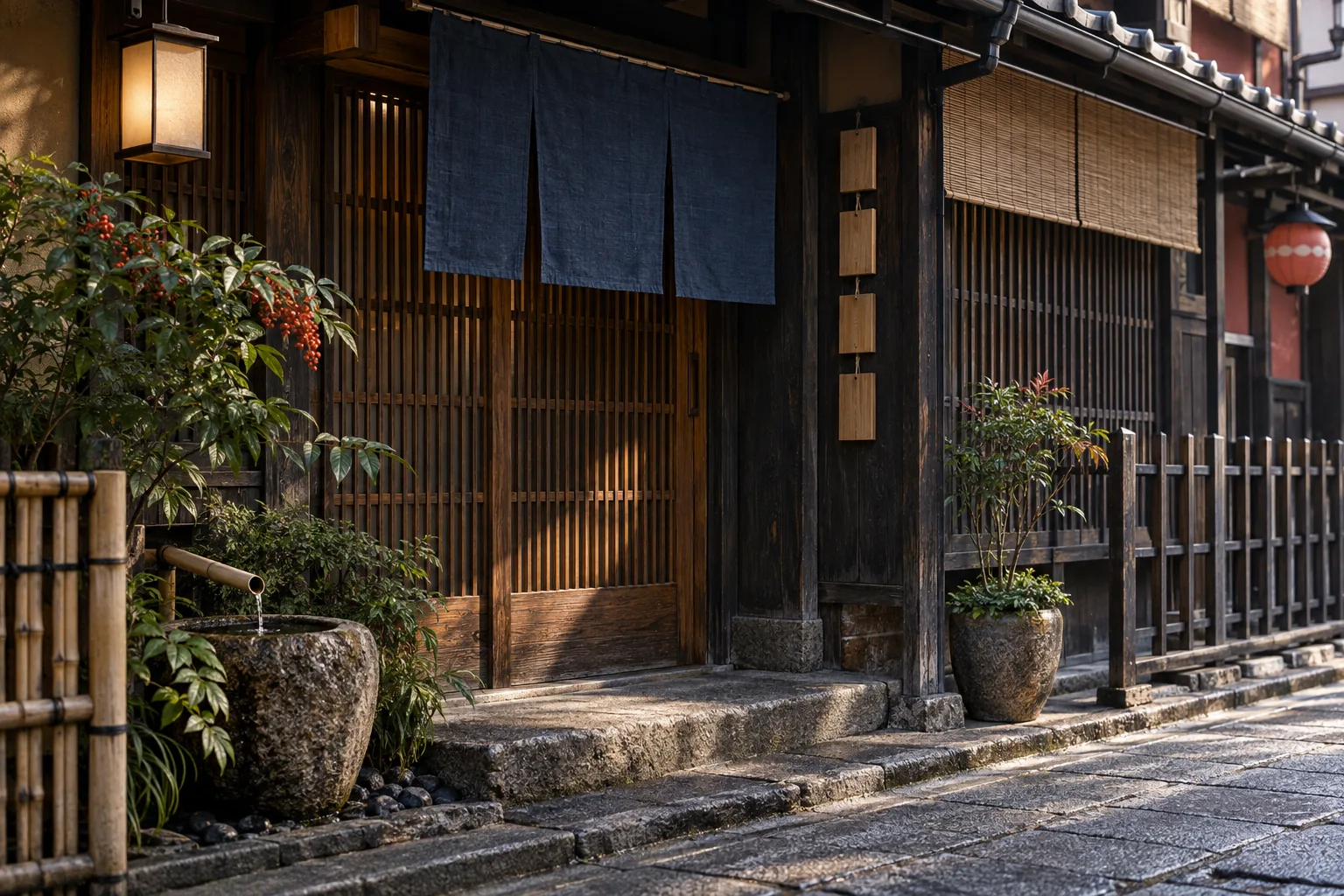
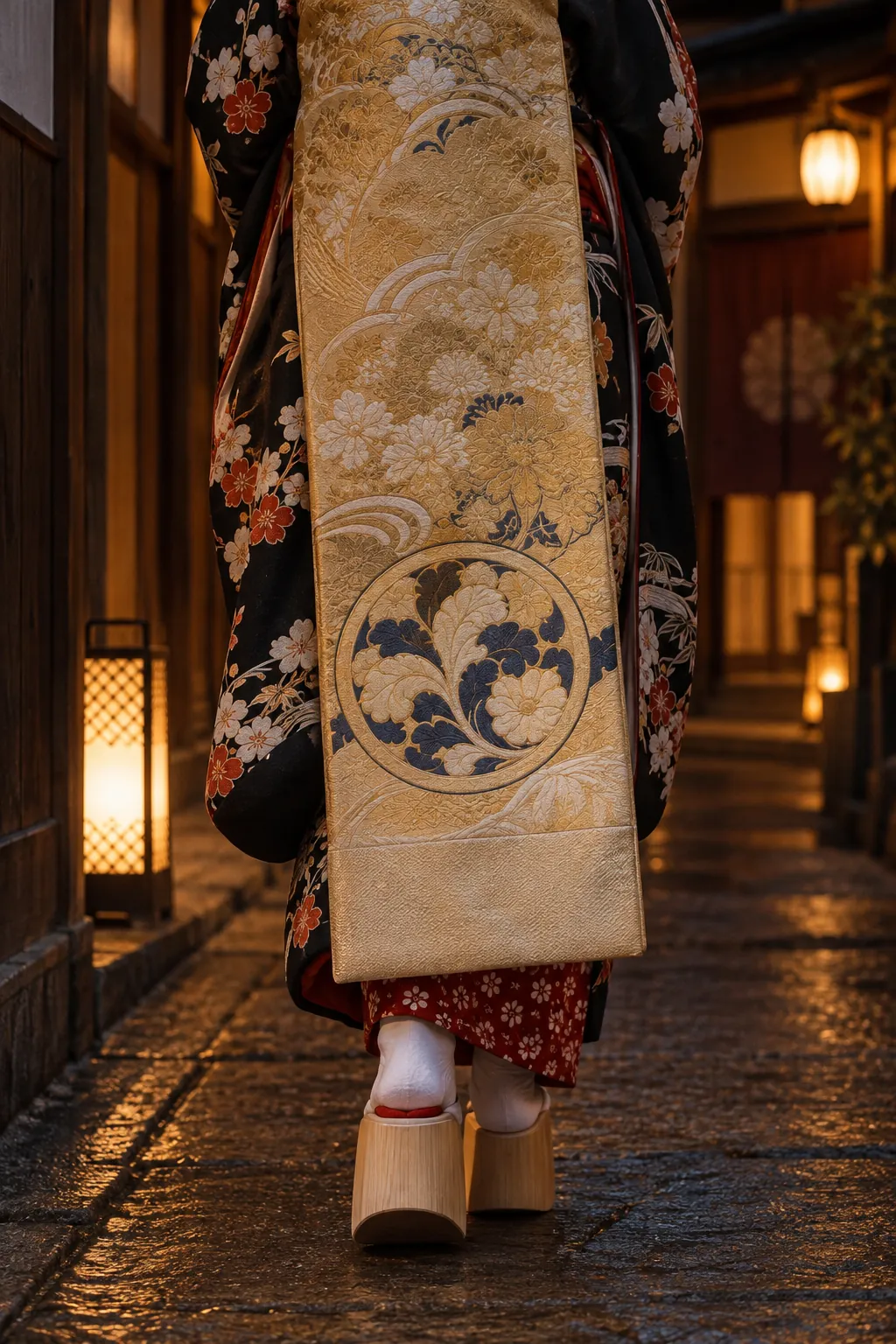
The attire
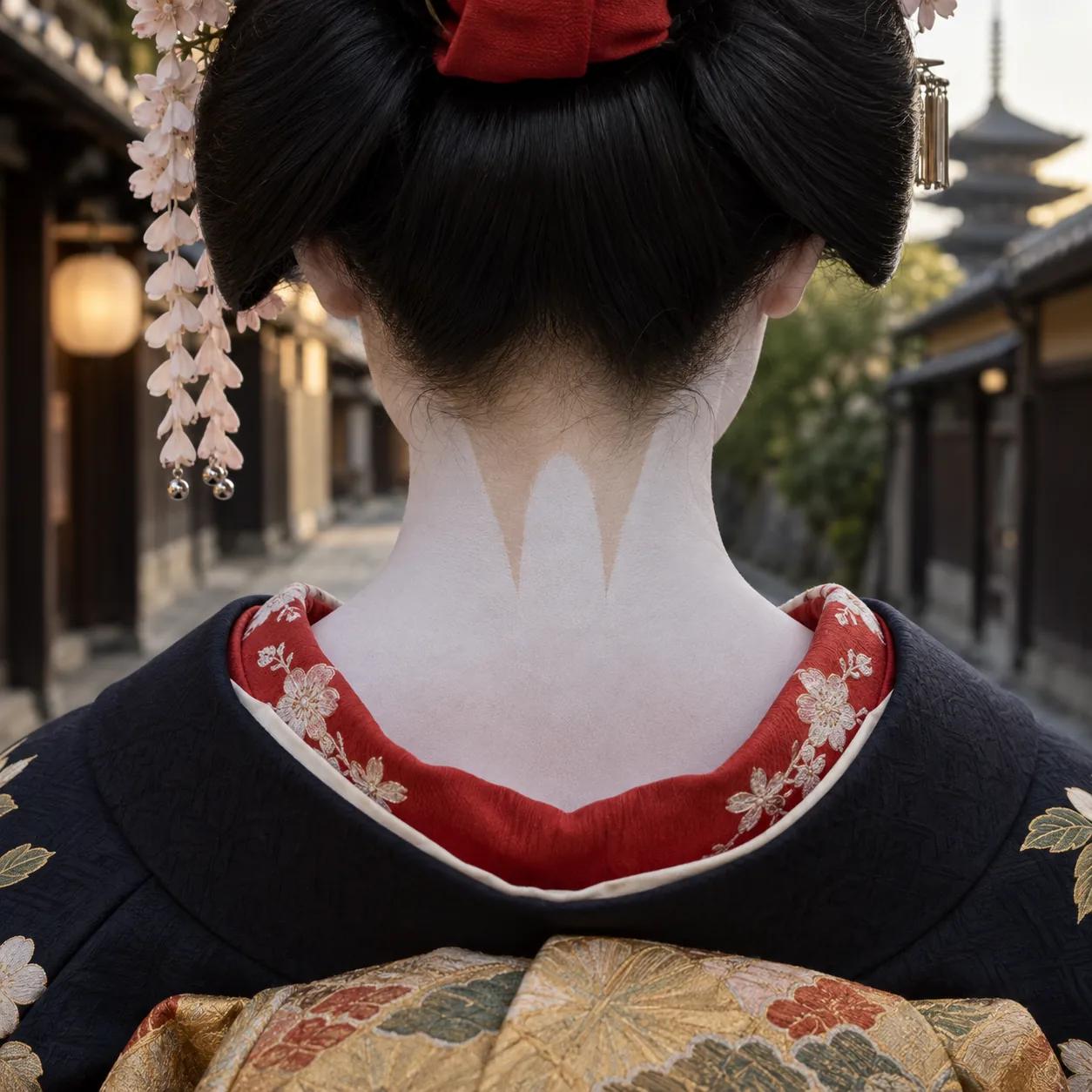
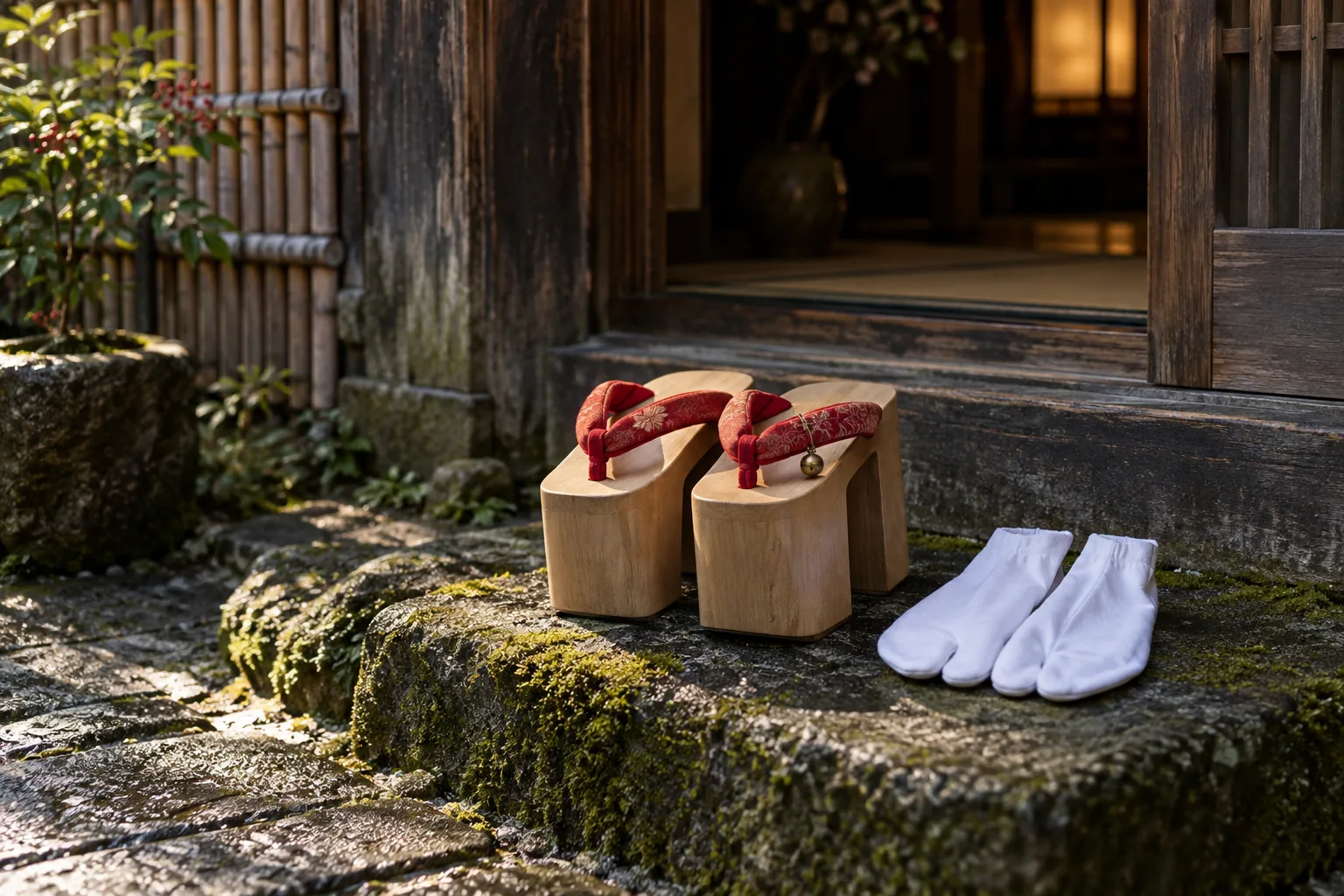
Lower lip only in the first year. Own hair, never a wig. A five-metre obi tied by a dresser. Read the figure.
Five districts
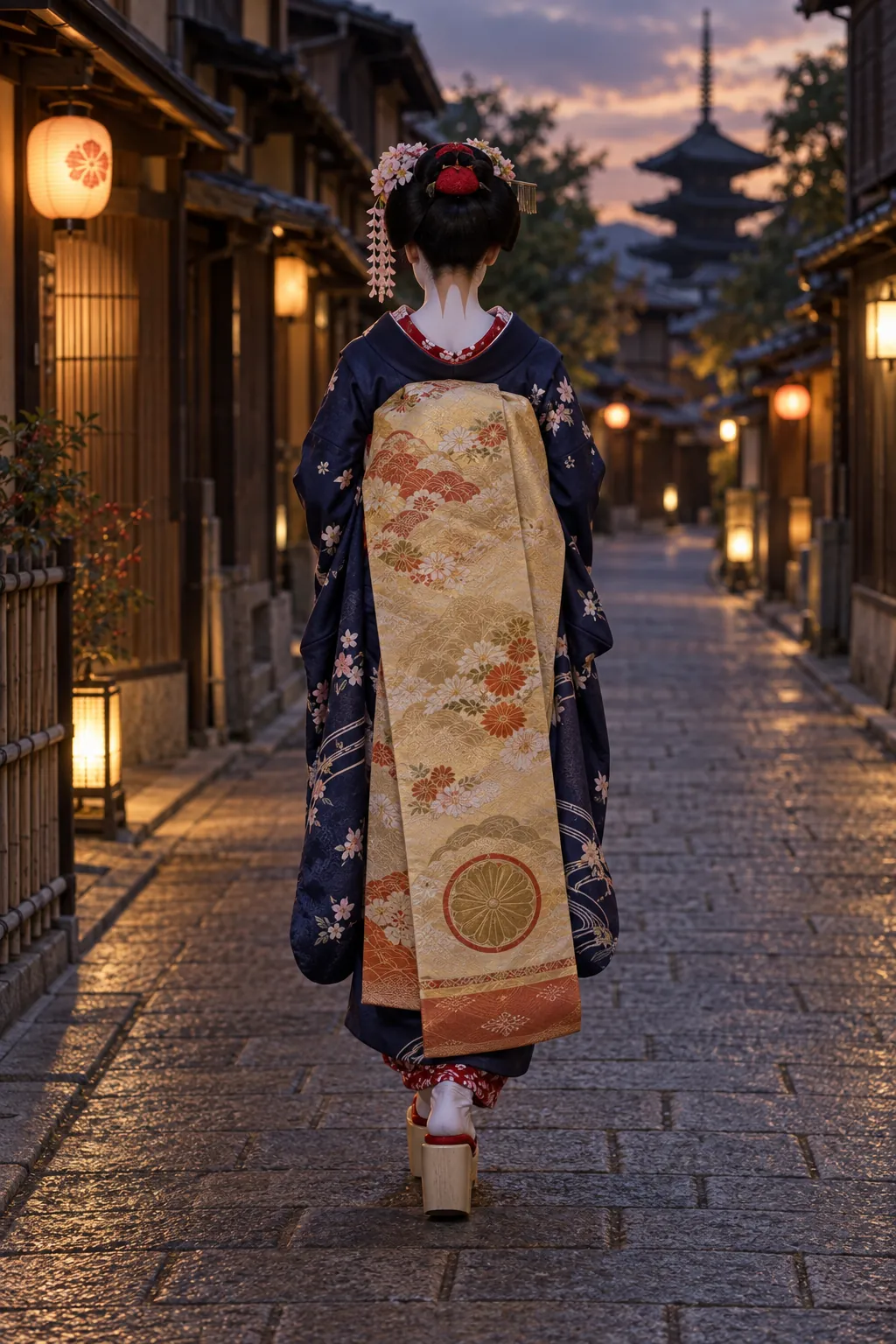
Kyoto has five: Gion Kobu, Miyagawacho, Pontocho, Kamishichiken and Gion Higashi. Each keeps its own dance school and its own stage.
Schematic, not to scale. Rivers and main streets only.
A living culture
Lessons at ten. Ozashiki from six. Home after one. The official description of a maiko's day runs on real streets where people live.
08:00-10:00
Wake up and eat breakfast at the okiya. Newer maiko rise earlier because dressing, hair and makeup take longer.
10:00-13:00
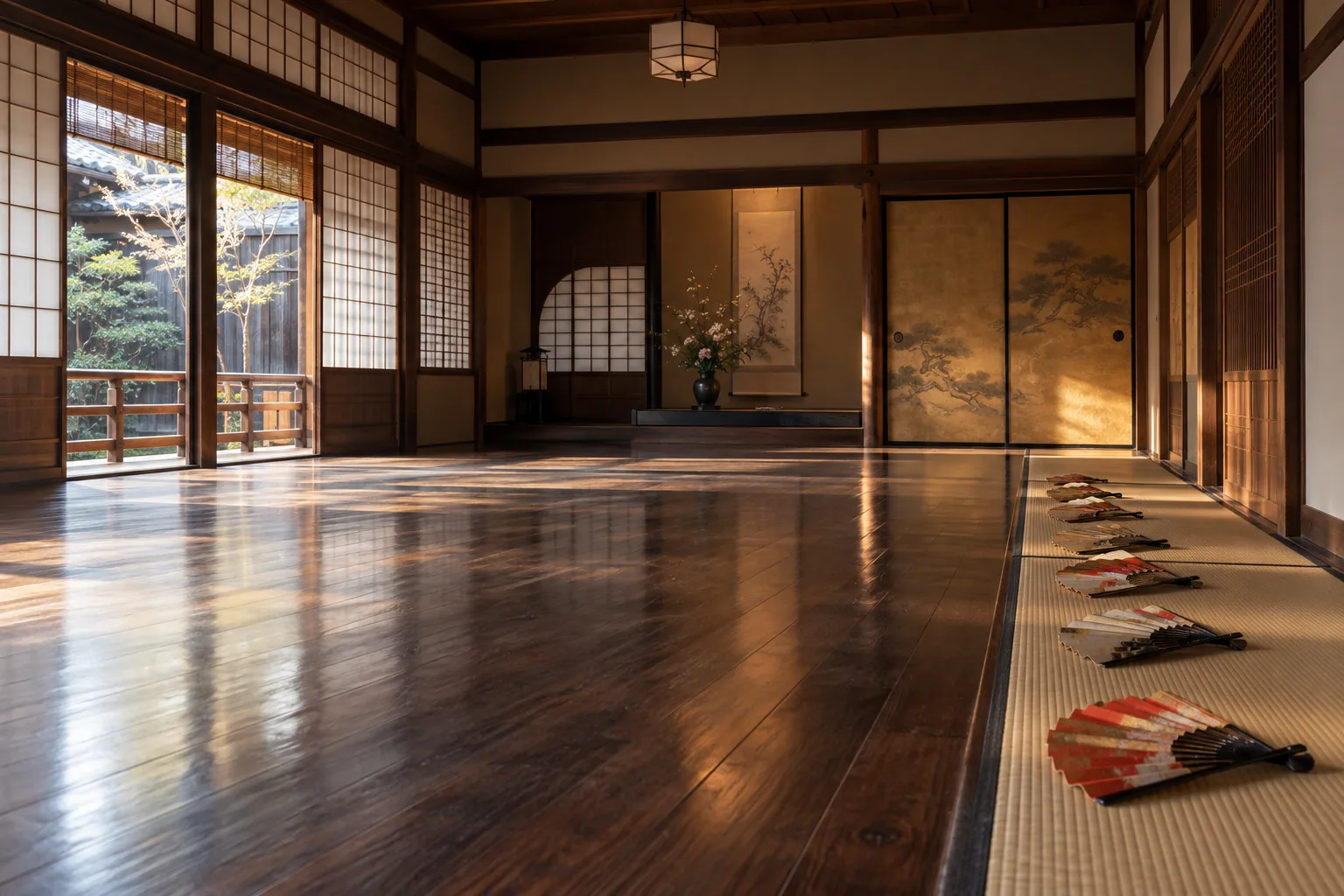
Lessons at the kagai's school or kaburenjo. In Gion Kobu this is Yasaka Nyokoba Gakuen (formally Gion Joshi Gigei Gakko), an incorporated school where every Gion Kobu geiko and maiko is a student; required subjects include Inoue-ryu dance, percussion, tea ceremony and shamisen, with Noh chant, nagauta and others available. Miyagawa-cho has Higashiyama Joshi Gakuen; other kagai use their kaburenjo.
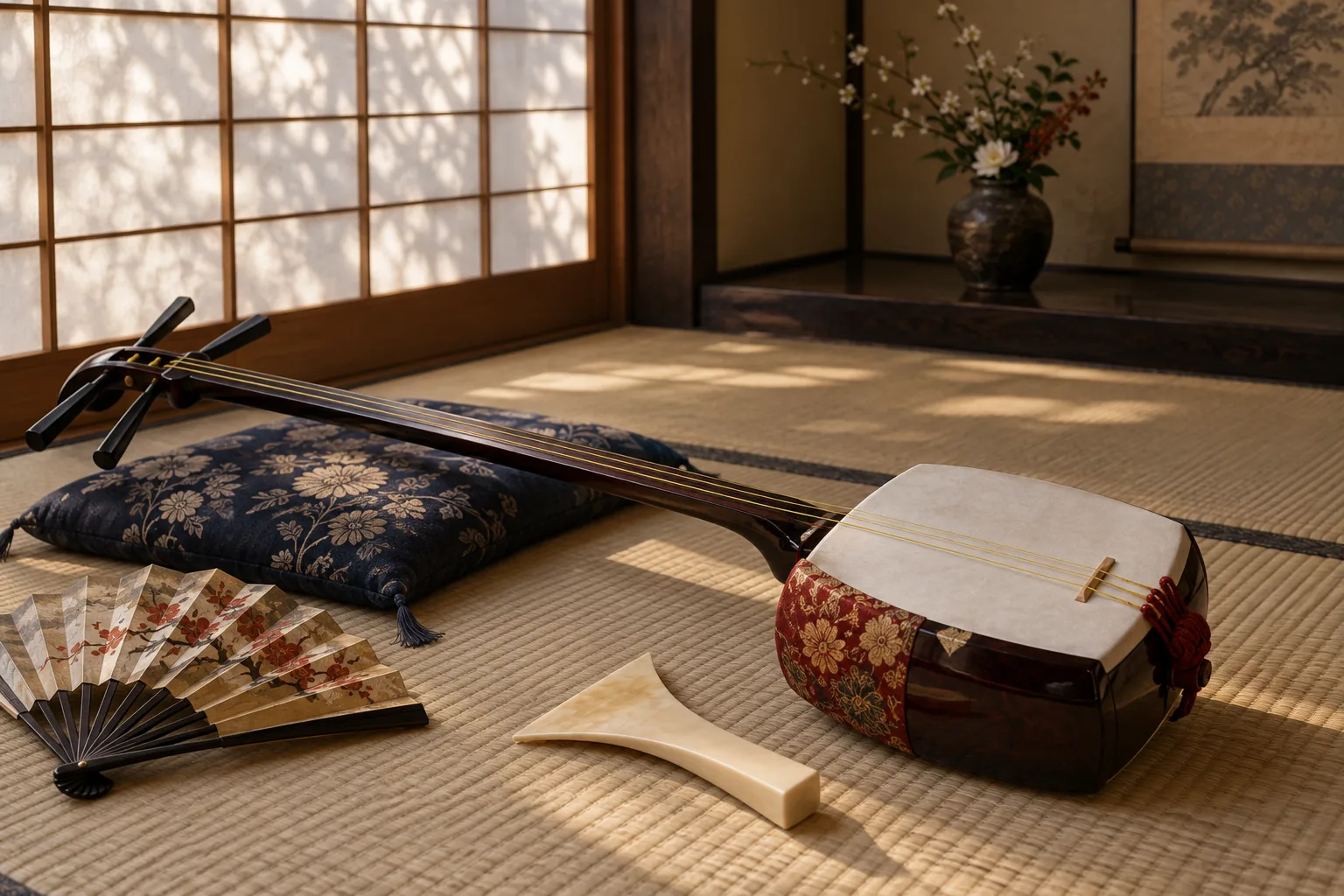
13:00-16:00
Late lunch at the okiya or out with fellow maiko, then about two hours of free time: nap, read, go over the day's lesson, run errands such as greeting rounds.
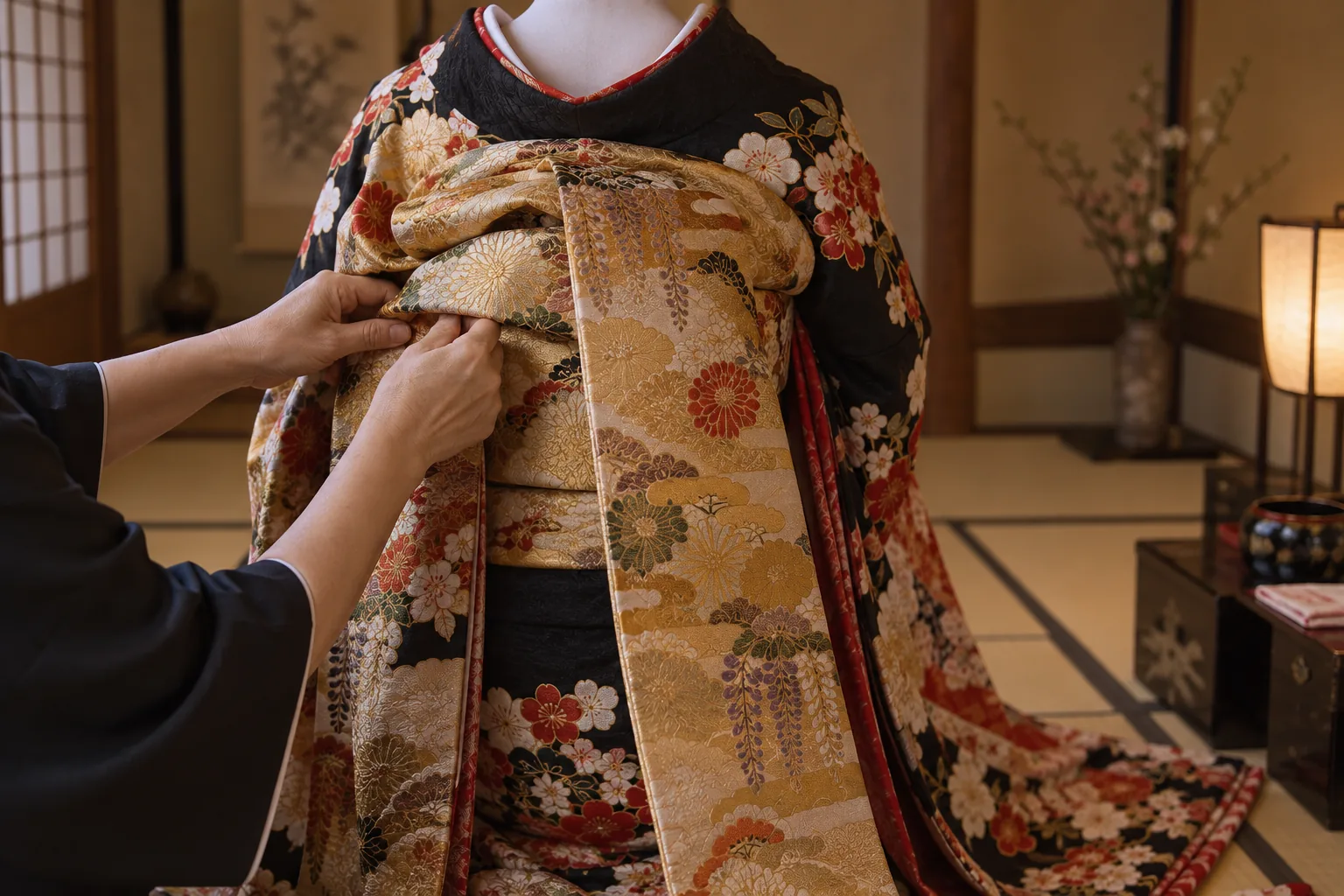
16:00-18:00
Preparation: white makeup done by herself, kimono and darari obi tied by the otokoshi (male dresser). Hair is dressed by a hairdresser roughly once a week and kept between visits.
Responsible travel
The rules are simple. The reasons matter more: she is at work, the lanes are private, the kimono cannot be repaired on the spot.
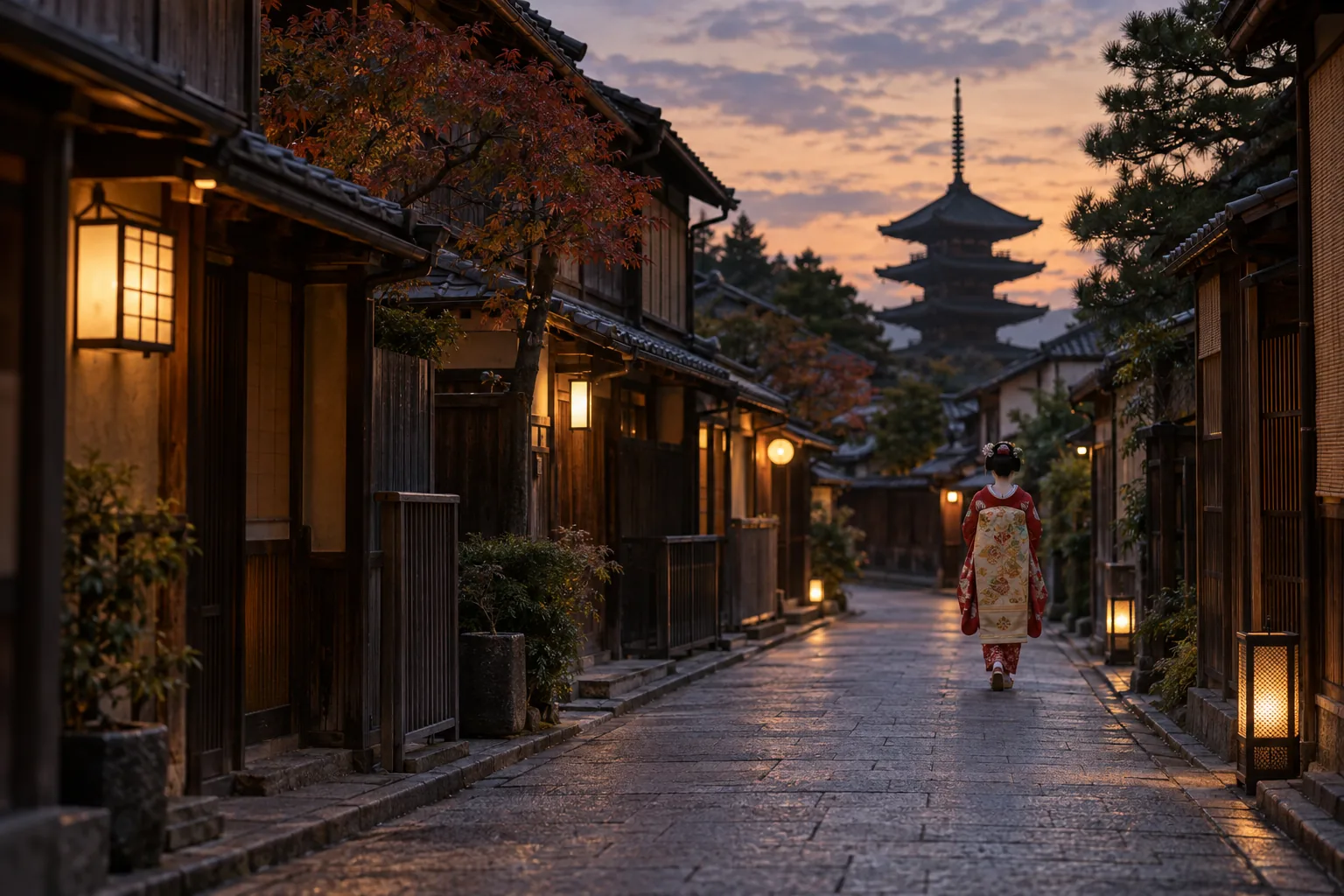
In the evening they are commuting between okiya and ochaya on a tight schedule; the Gion council cited chasing and blocking as reasons for the 2024 alley closure.
Kimono and obi are costly and easily damaged; residents reported torn kimono and a cigarette butt placed in a collar. The hairstyle is set weekly and cannot be fixed on the spot.
In October 2019 the Gion-machi Minamigawa district council placed signs in Japanese, English and Chinese on the private lanes off Hanamikoji after repeated unpermitted photography of geiko and maiko and trespassing. The 10,000 yen is a posted charge by the landowners, not a statutory fine.
Touching the culture
A theatre seat, a nightly digest, a small dinner, an ozashiki by introduction, a walk, a makeover, a dance lesson. Each is honest about what it is, once you know the difference.
Move
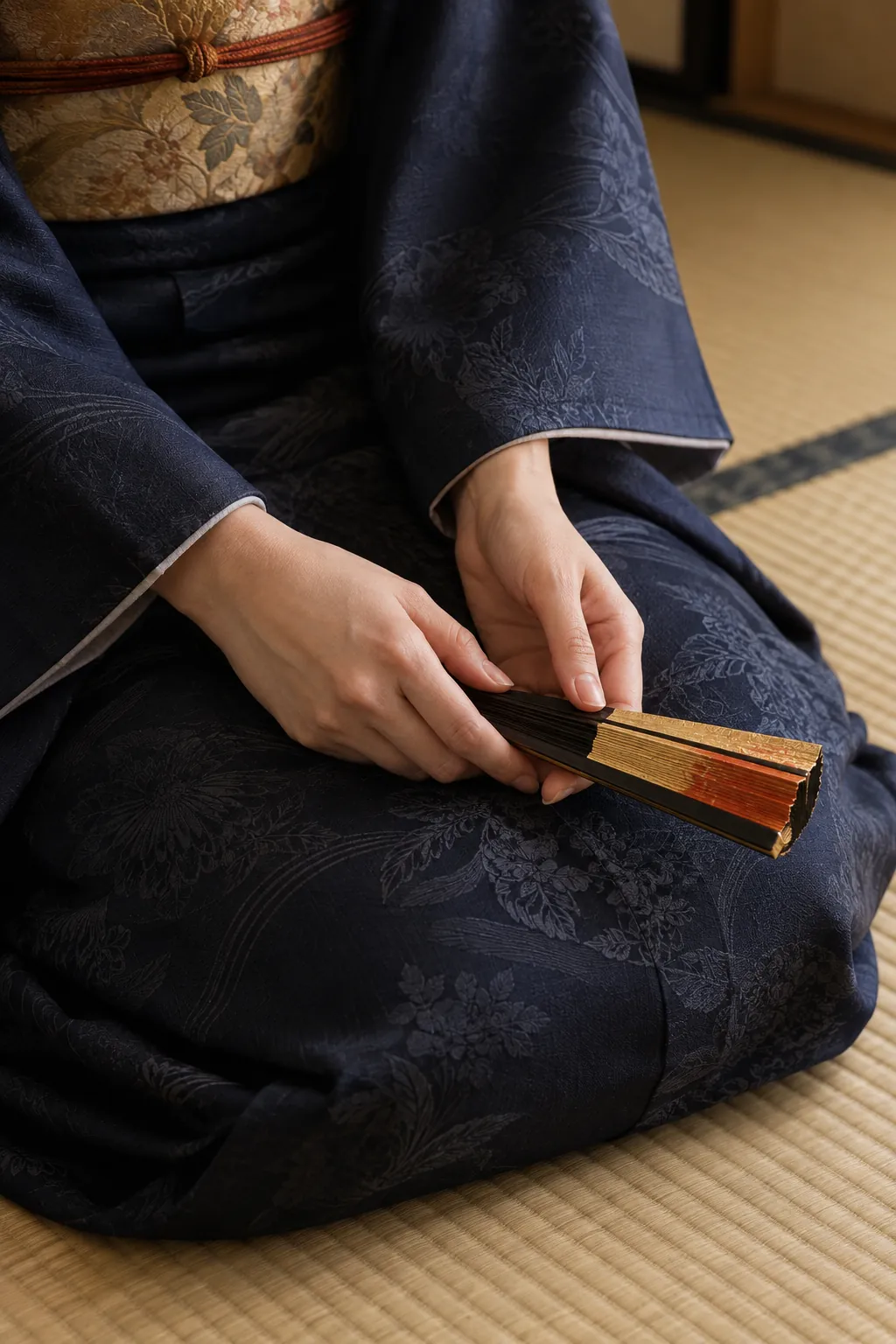
Don't just watch the beauty. Learn how Japanese dance creates it: the fan, the sliding step, the lowered gaze, the pause. Nihon buyo is a related but separate tradition from the kagai dances.
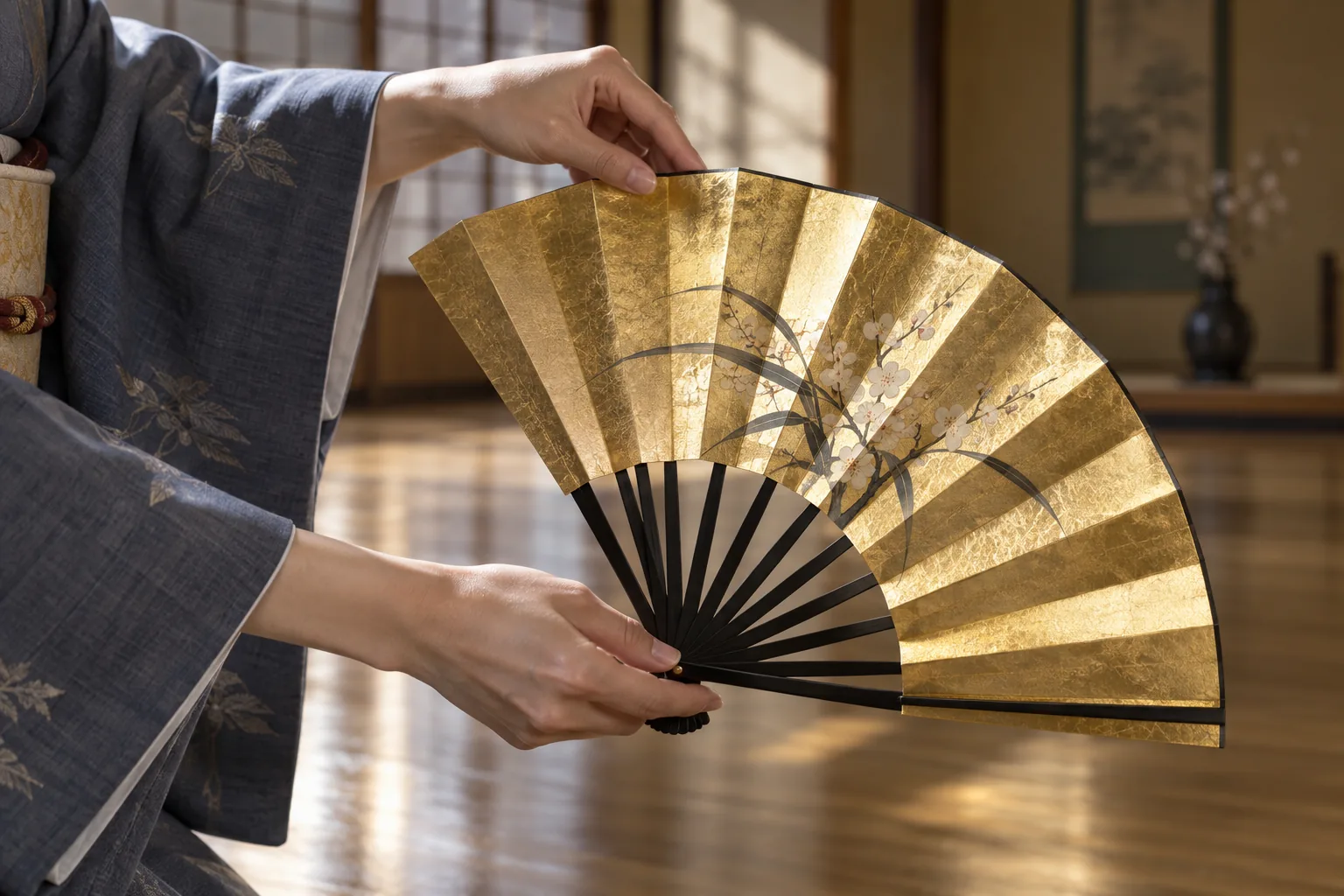
This lesson is not 'the dance of the maiko'. Gion Kobu dances kyomai of the Inoue school, an independent Kyoto tradition with its own teaching; the other four kagai train in the Wakayagi, Onoe, Hanayagi and Fujima schools of nihon buyo. Our teacher holds the shihan rank of the Fujima school, the same broad school name as Gion Higashi's teachers, but she has no connection with that kagai's training and this lesson does not reproduce it. What we teach is the general vocabulary of Japanese classical dance, as an entry point after you have learned about maiko culture.
Field notes
Notes written before, during and after our own visits to Kyoto, with dates and sources.
Which kind of 'experience' you are actually booking, what the price buys, what you can ask, and what you should not expect.
Read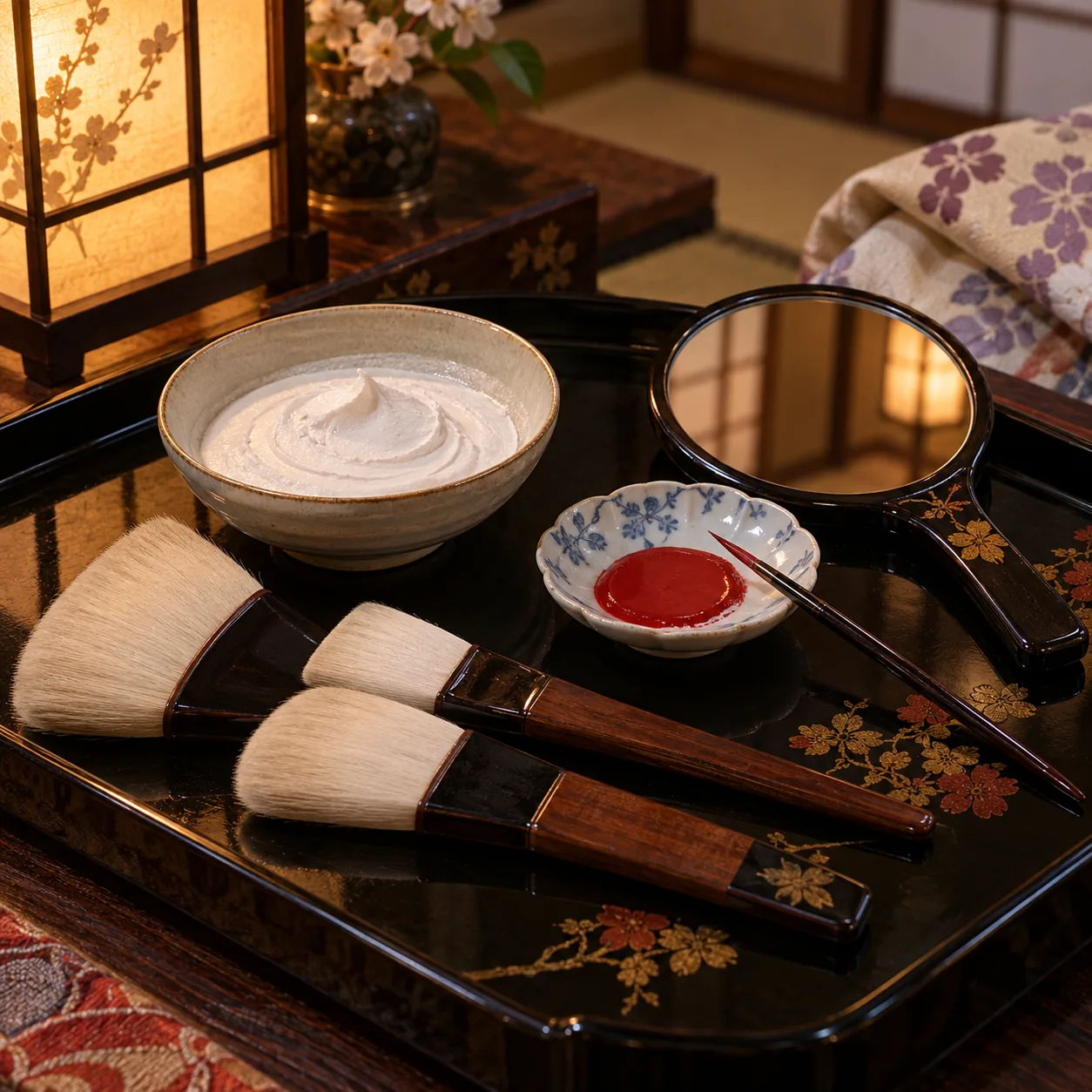
What the official description says about oshiroi, what is commonly reported about the time it takes, and what we will measure.
ReadAn obi of about five metres, a trailing hem, roughly twelve centimetres of wood under each heel. Before wearing anything, what a dancer expects those numbers to mean, written down so it can be checked.
Read